


The Bazaruto Archipelago luxury resorts I photographed in Mozambique have stayed with me longer than almost any other assignment. I first went while shooting for Penguin Publishing, and over two weeks I moved between Vilanculos and the islands for Bridget Hilton-Barber’s guide to Maputo and Southern Mozambique. It started as a commission. However, it turned into one of the most memorable trips of my career.
The islands are as beautiful as people say. Still, what stuck with me most was the feeling of being completely away from everything.
What makes the Bazaruto Archipelago luxury resorts different from other tropical islands
Off the coast of southern Mozambique, a handful of protected islands sit in clear water. Tall sand dunes rise behind the beaches, and marine life thrives offshore. Compared with most tropical destinations, though, the archipelago is remarkably peaceful.
That calm is part of what sets the Bazaruto Archipelago luxury resorts apart. Because everything felt untouched, the colours seemed brighter and the beaches quieter. Life also moved more slowly. So whether you’re lying on an empty beach or watching the light change over the Indian Ocean, it’s easy to see why people come here to disconnect.
How do you reach the Bazaruto Archipelago luxury resorts from Vilanculos
Every trip starts in Vilanculos, a laid-back coastal town on the way to the islands. Most visitors pass straight through, but it’s worth exploring in its own right. Colourful fishing boats line the shoreline, and the local markets are busy. Meanwhile, the waterfront has lovely views across the archipelago.
From Vilanculos, you can reach the islands by:
- Boat transfer
- Helicopter flight
- Light aircraft, depending on the resort
Because I photographed both Vilanculos and the Bazaruto Archipelago luxury resorts, I could capture the contrast between everyday coastal life and the refined luxury waiting just offshore. Together, they make the journey as rewarding as the destination.
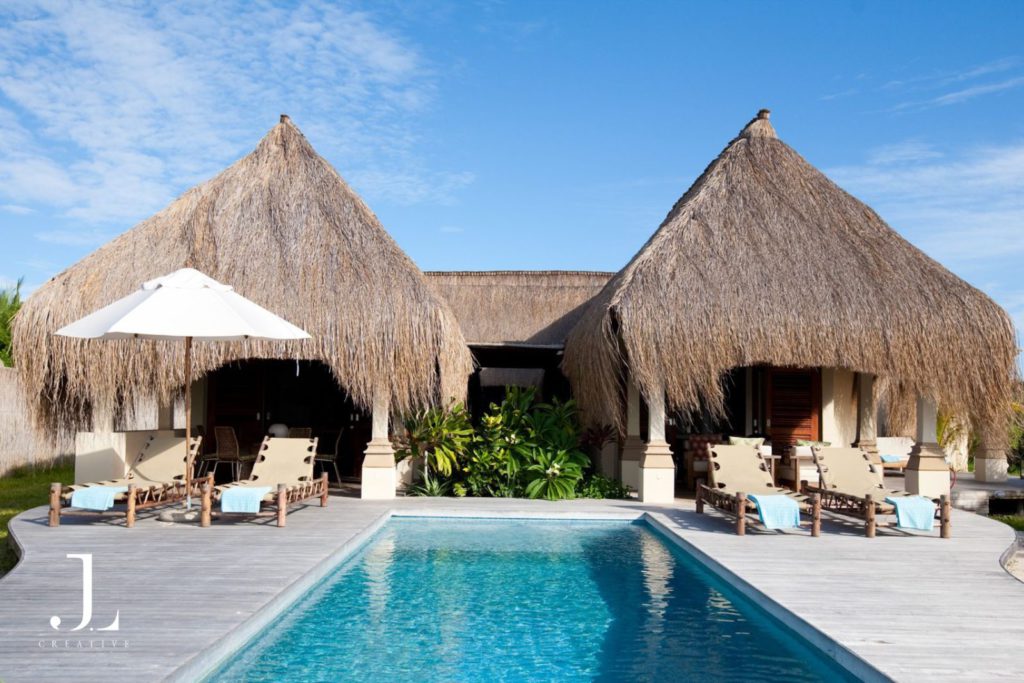


Which Bazaruto Archipelago luxury resorts did I photograph
Visiting several of the region’s best-known lodges was a highlight of this assignment. Each had its own version of barefoot luxury, and all of them were closely tied to their surroundings. I photographed:
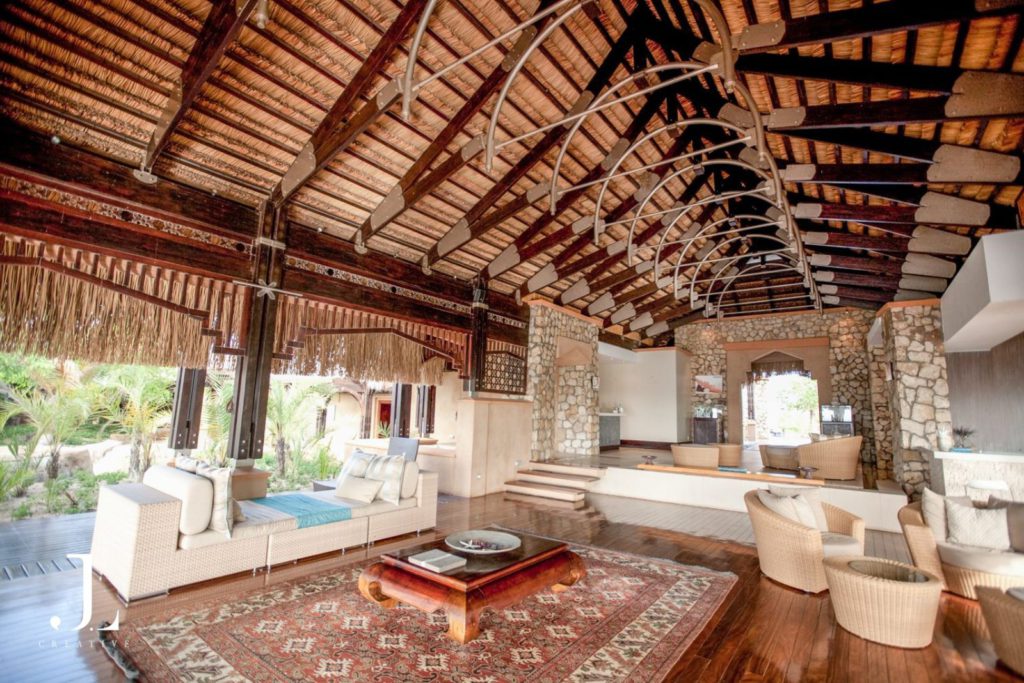
Although every property had its own personality, none of the Bazaruto Archipelago luxury resorts competes with nature. Instead, they embrace it. Open spaces, natural materials and uninterrupted ocean views balance comfort and tranquillity. As a photographer, I loved capturing both the spaces and the feeling of staying somewhere so special.
How does design work with the landscape at Mozambique’s island lodges
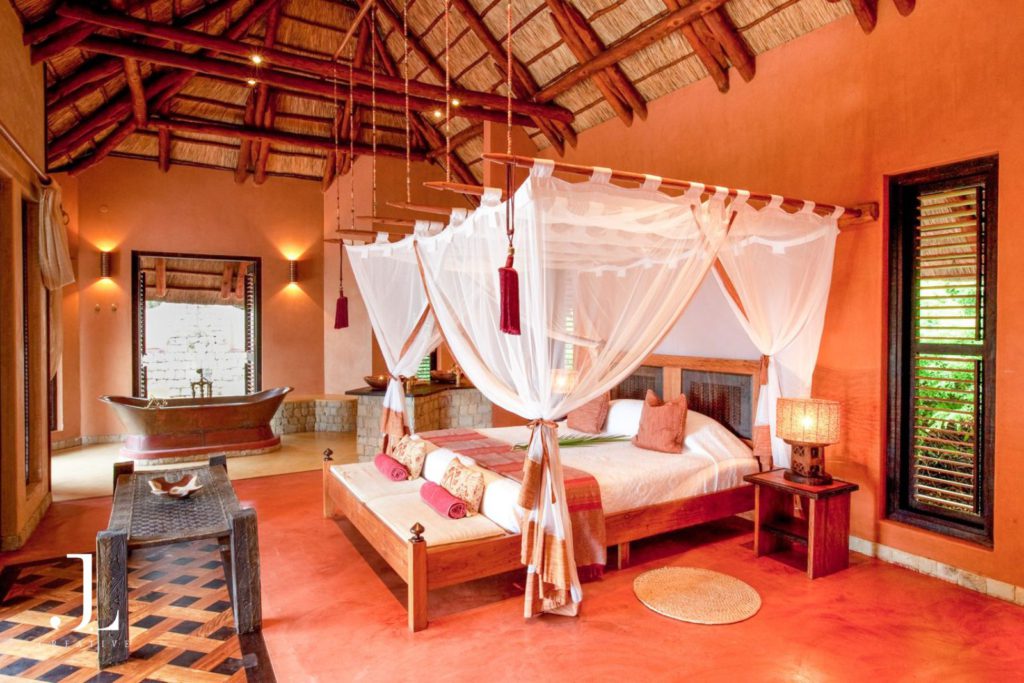
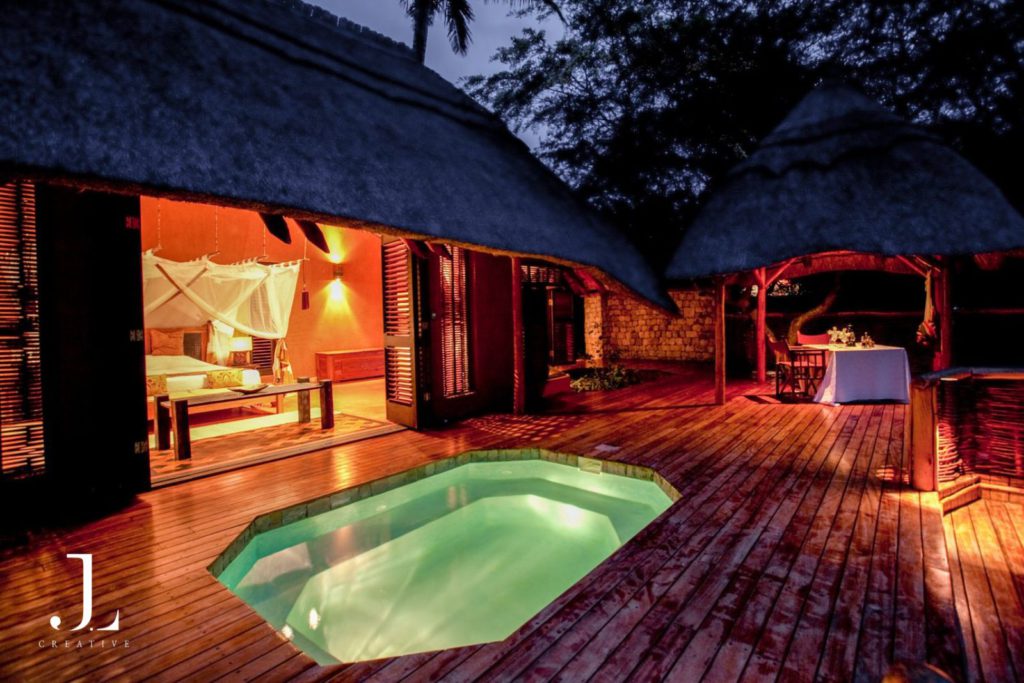
Across the Bazaruto Archipelago luxury resorts, the lodges sit quietly within the landscape instead of dominating it. Timber, thatch, natural stone and open-air spaces connect the architecture to its surroundings. As a result, I found myself drawn to the details.
For example, I kept photographing:
- Handcrafted wooden furniture and finishes
- Woven textiles and natural fabrics
- Stone pathways softened by tropical planting
- Palm trees framing ocean views
- Reflections across pools and the sea
As a travel photographer, I find these details help tell a richer story. They show that luxury isn’t only about beautiful interiors. It’s about spaces that let guests feel immersed in where they are.
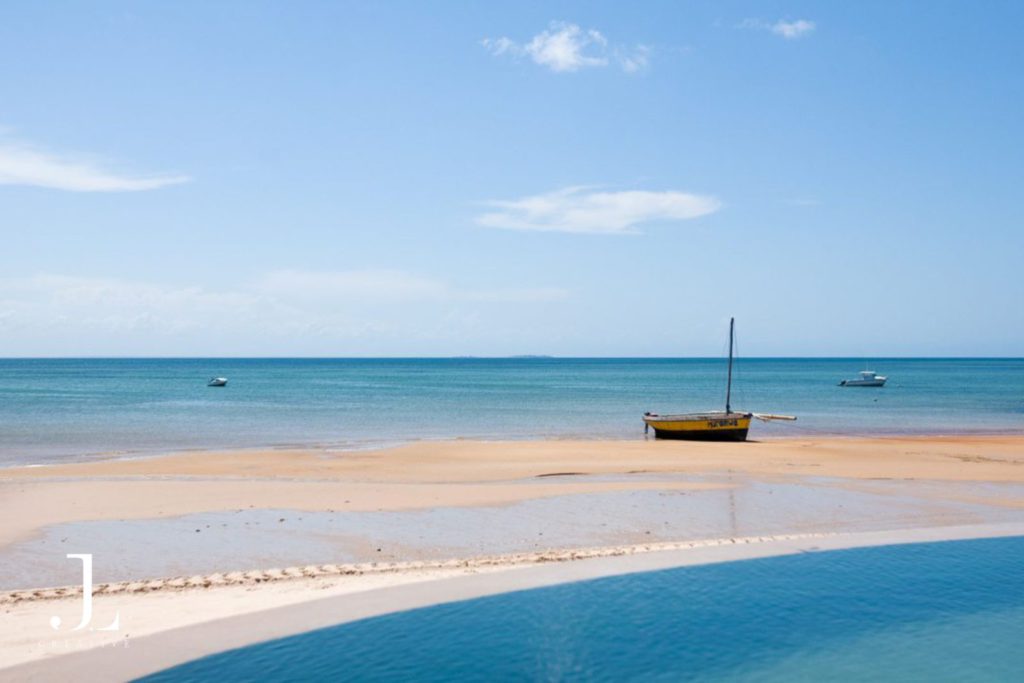
What can you do on the islands besides relax on the beach
Luxury travel is about more than where you sleep. The experiences you bring home often become the memories you keep. I tried many of the activities myself, and they let me see the islands from every angle, whether I was high above the coastline or standing barefoot on an empty beach.
The highlights included:
- Scenic helicopter flights over the islands
- Snorkelling in crystal-clear water
- Deep-sea fishing trips
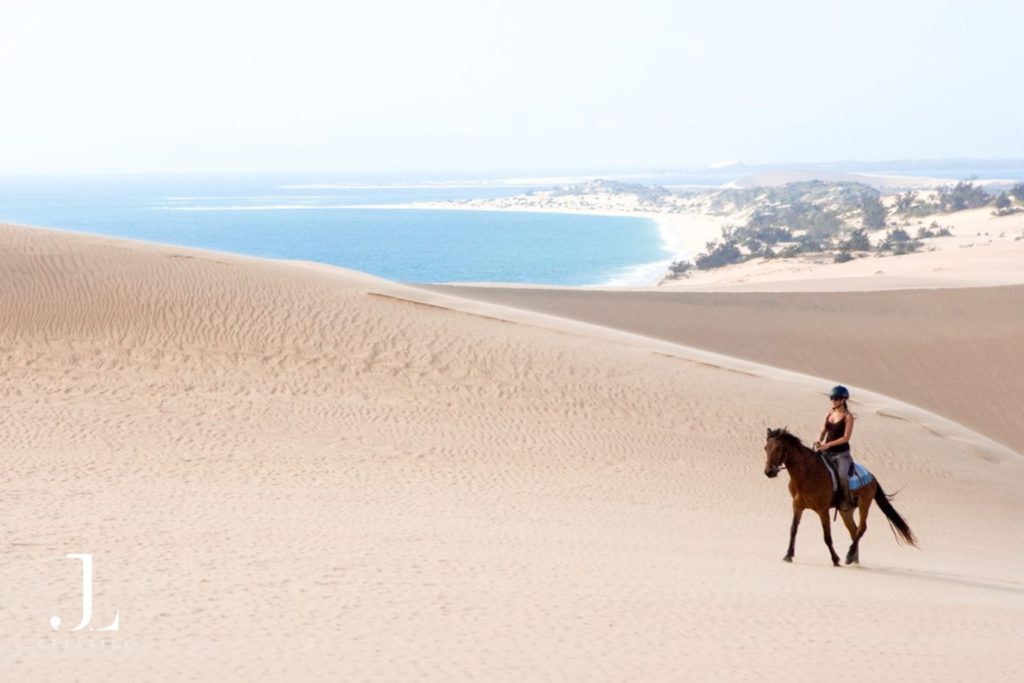
- Horse riding across the sand dunes
- Long walks on deserted beaches
Each one showed me a different side of the archipelago, so it’s easy to see why guests come back.
Why is the Bazaruto Archipelago a paradise for nature lovers
The resorts are exceptional, but the surroundings are just as good. The archipelago is part of a protected marine national park, which makes it a rich habitat for marine life and coastal wildlife. Coral reefs and colourful tropical fish fill the clear water, and the islands are home to one of the last remaining populations of dugongs in the western Indian Ocean.
Even if you stay above the surface, nature is everywhere. Whether I was in a beachfront villa or at the top of a dune, I could hear the ocean and feel the warm coastal breeze. On land, I found plenty to photograph:
- Endless stretches of untouched coastline
- Towering white sand dunes
- Calm turquoise lagoons
- Palm-lined beaches
- Ever-changing skies over the Indian Ocean
The landscape changes with the light, so every walk and viewpoint felt different. Some mornings, the beaches were completely empty, and that kind of peace is getting rare. It reminded me that luxury doesn’t have to be extravagant. Sometimes it’s just having the time and space to slow down and enjoy where you are.
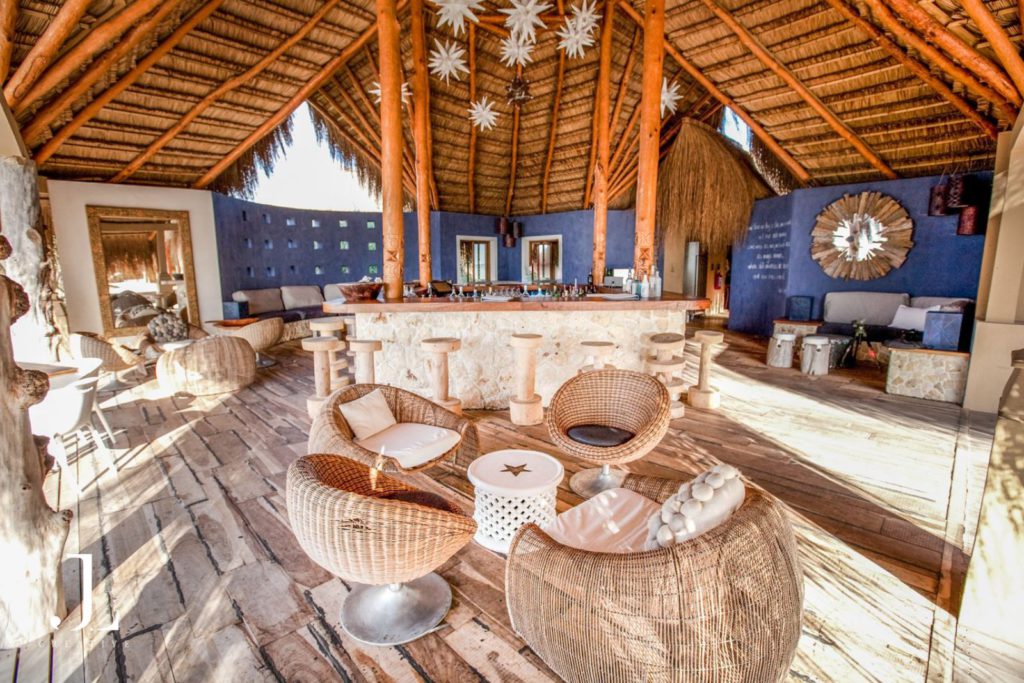
How has photographing safari lodges shaped the way I shoot island resorts
This assignment took me to the coast, but my approach comes from years of photographing luxury safari lodges across Africa. From Botswana’s Okavango Delta to remote eco lodges in Malawi, I’ve found that the most memorable places share one quality. They exist in harmony with their landscapes.
The Bazaruto Archipelago luxury resorts were no different.
Whether I’m photographing a safari lodge or a beachfront villa, I look for the relationship between architecture, nature and the guest experience. Showing a building on its own is rarely the point. Instead, I want to show how a destination feels to live in, even for a few days. For me, that’s where travel photography becomes storytelling rather than documentation.
How does light change the Bazaruto Archipelago from dawn to dusk
Light changes how a destination feels, and I noticed it more in Mozambique than anywhere else. Early mornings brought soft golden light over the beaches and calm water. By midday, however, the Indian Ocean turned vivid, with strong contrast between white sand and rich turquoise. Then, as evening came, everything softened again, and warm colours stretched across the horizon.
To bring those changes to life, I used a few compositional techniques:
- Leading lines from sand dunes and boardwalks
- Natural framing with palms and tropical vegetation
- Layers of foreground, ocean and sky
- Reflections across pools, lagoons and the sea
Letting the natural light guide each frame gave me images that felt true to being there.
What goes into planning a shoot across the Bazaruto Archipelago luxury resorts
The finished photographs look effortless, but assignments like this depend on careful preparation. Travelling between several luxury resorts over two weeks took detailed planning and close collaboration with the production team. For example, every transfer, room change and shooting window had to work around the best light, while still leaving time to experience each place properly.
Travelling between islands by helicopter was a highlight. It gave me aerial views of the archipelago and let me photograph several destinations efficiently. With a well-organised itinerary, I could focus on what mattered most: watching each location, working with the changing light and making photographs that reflected the atmosphere of every resort.
How did the Bazaruto Archipelago luxury resorts assignment become a published travel guide
Seeing finished work find its audience is one of the most rewarding parts of an assignment. Penguin Publishing commissioned these photographs for Bridget Hilton-Barber’s travel guide to Maputo and Southern Mozambique. Because the images would introduce readers to this part of the world, the job felt even more meaningful.
For me, publication isn’t just about seeing photographs in print. It represents the whole creative process, from the initial brief and planning to long days shooting in changing conditions. Seeing the images in a published guide showed me how photography can inspire people before they start planning their own trip.


Why does Africa keep drawing me back to luxury hospitality photography
Looking back, this project was about more than documenting beautiful resorts. It’s another chapter in a wider journey photographing luxury hospitality across Africa, from safari lodges in Botswana and eco retreats in Malawi to the Bazaruto Archipelago luxury resorts in Mozambique. Each destination has told a different story, yet all of them share a commitment to exceptional guest experiences.
What keeps me going is seeing how every place expresses luxury in its own way. Sometimes it’s a dramatic wildlife encounter. Other times it’s an empty beach or genuine hospitality. Either way, my role is to capture those moments honestly so others can imagine experiencing them for themselves.
More luxury travel and safari photography across Africa
If you enjoyed Mozambique, you may also like some of our other travel and hospitality projects across Africa:
- Kaya Mawa Lodge: Why Lake Malawi Escape Stands Out Among Africa’s Luxury Lodges
- Why Is Mumbo Island Eco Lodge One of Malawi’s Best Kept Secrets
- What Is It Like Staying at Mvuu Safari Lodge in Malawi
- Luxury Safari Lodge Photography: What Makes Daunara Worth Capturing for Brand Marketing
Because we want authentic imagery, each project shows not only how a destination looks, but also what it feels like to be there.
Looking for a luxury travel and resort photography?
At JL Creative, we work with luxury resorts, boutique hotels, safari lodges and travel brands. We create natural, story-led imagery that reflects the experience guests can expect. Because we approach every assignment with curiosity, careful observation and a genuine appreciation for the places we photograph, the images feel true to each destination.
If you’re planning a marketing campaign or want to refresh your visual storytelling, get in touch. We’d love to hear about your project.
FAQs About Luxury Travel & Resort Photography
Whether you’re a hospitality brand or just curious about travel photography, here are the questions we hear most often.
What does a luxury travel photographer capture?
Far more than rooms. A luxury travel photographer documents destinations, guest experiences, landscapes, architecture, food, lifestyle and the atmosphere that makes each place feel distinct.
Do you photograph safari lodges as well as beach resorts?
Yes. JL Creative regularly photographs luxury safari lodges, eco retreats, boutique hotels and coastal resorts across Africa and internationally.
Do you travel overseas for photography assignments?
Absolutely. We travel widely for hospitality, tourism and editorial commissions, both across the UK and around the world.
Can your photography be used for travel publications and marketing?
Yes. Our work has been commissioned for travel guides, editorial features, websites, advertising campaigns and hospitality marketing, so brands get a versatile library of high-quality images.

0 Comments