

Masai Mara Wildlife, Big Five & Private Jet Adventure with Abercrombie & Kent
There are few places in the world that capture the imagination quite like Kenya.
With its sweeping savannas, vast open skies and extraordinary wildlife, it is a destination that feels both iconic and deeply moving. It is the essence of safari, the kind of place that lives in people’s dreams long before they ever set foot there.
As the seventh and final destination of the remarkable 25-day “Wildlife Safari: Around the World by Private Jet” with Abercrombie & Kent, Kenya felt like the perfect conclusion to an already extraordinary journey.
For Juliet and the JL Creative team, this final chapter brought everything full circle.
Arrival into the Masai Mara: A Welcome Like No Other
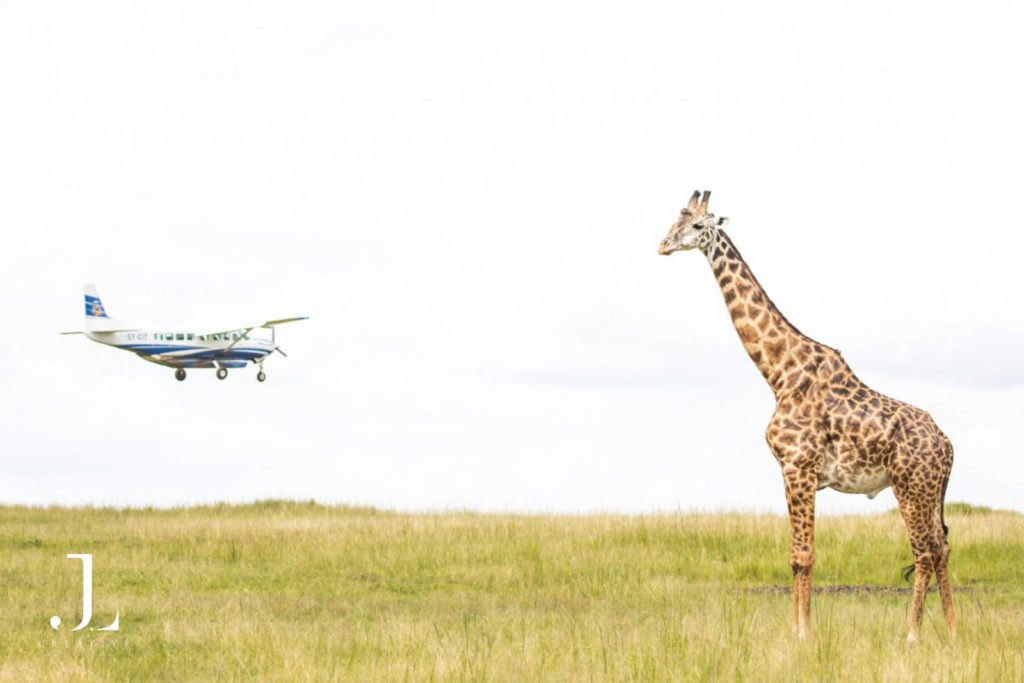
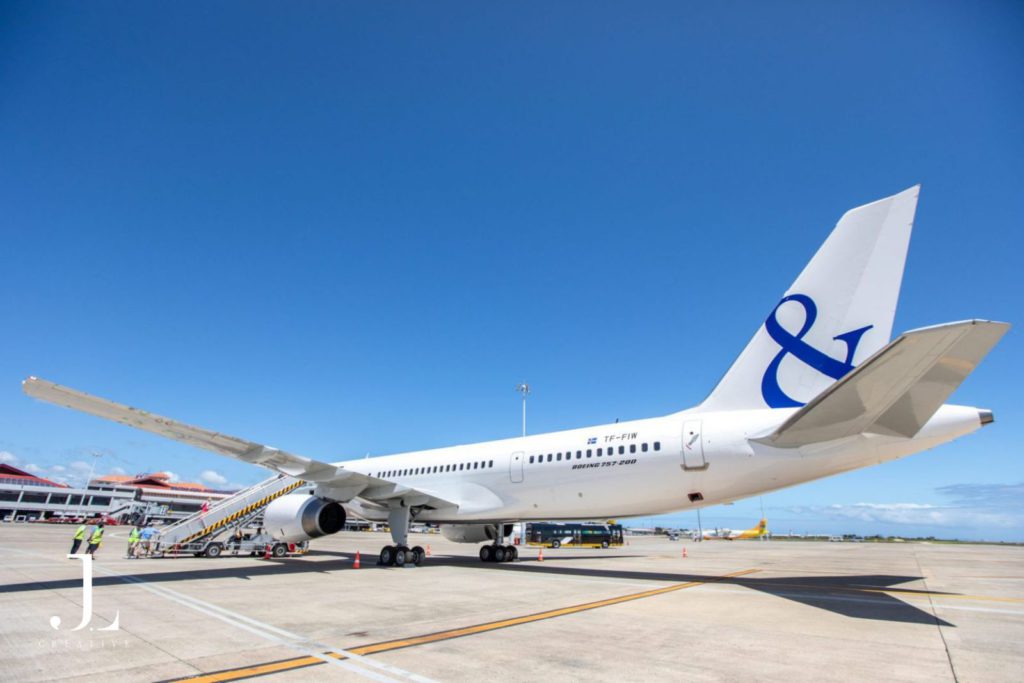
After landing in Nairobi aboard the private Boeing 757, we remained airside before boarding a private charter flight into the legendary Masai Mara National Reserve.
As we descended, the landscape opened up into expansive grasslands that seemed to stretch endlessly towards the horizon. There is something incredibly grounding about seeing the African plains from above, knowing that what awaits below is completely untamed.
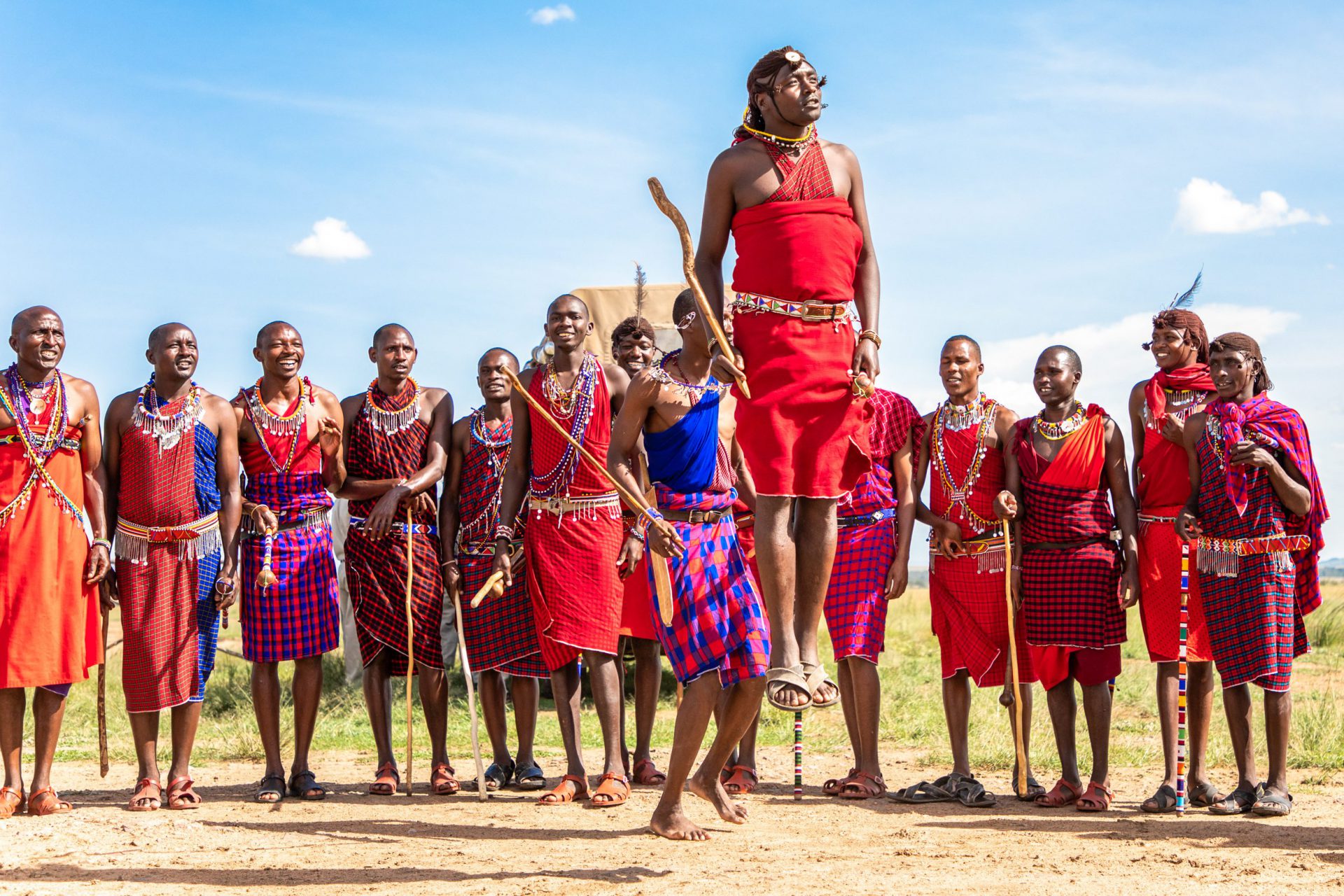
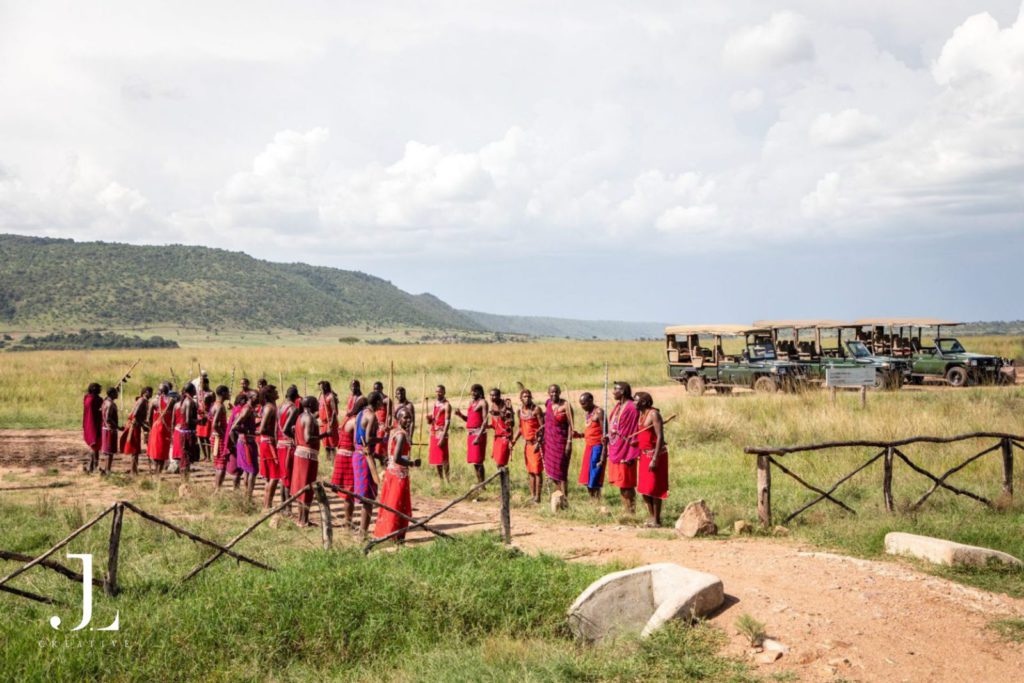
Touching down on the bush airstrip, we were met by Maasai warriors dressed in their striking red shúkà cloth. Their welcome was full of rhythm and energy, with traditional singing and ceremonial jumping that felt both powerful and joyful.
It was a moment that instantly set the tone: warm, vibrant and unmistakably African.
The Magic of the Masai Mara
Being back on safari in Kenya felt truly magical.
While Juliet has spent many years photographing wildlife across Africa, time in the Masai Mara has been relatively limited, which made this experience feel particularly special. The openness of the landscape is one of the first things that stands out. Unlike the dense forests of Rwanda or the layered tropical environments of Madagascar, the Mara offers wide, open plains where visibility is exceptional.
You can see far.
And that changes everything.
Wildlife sightings feel more expansive, more cinematic. Herds move across the landscape, predators can be tracked more easily and there is a sense of scale that is simply breathtaking.
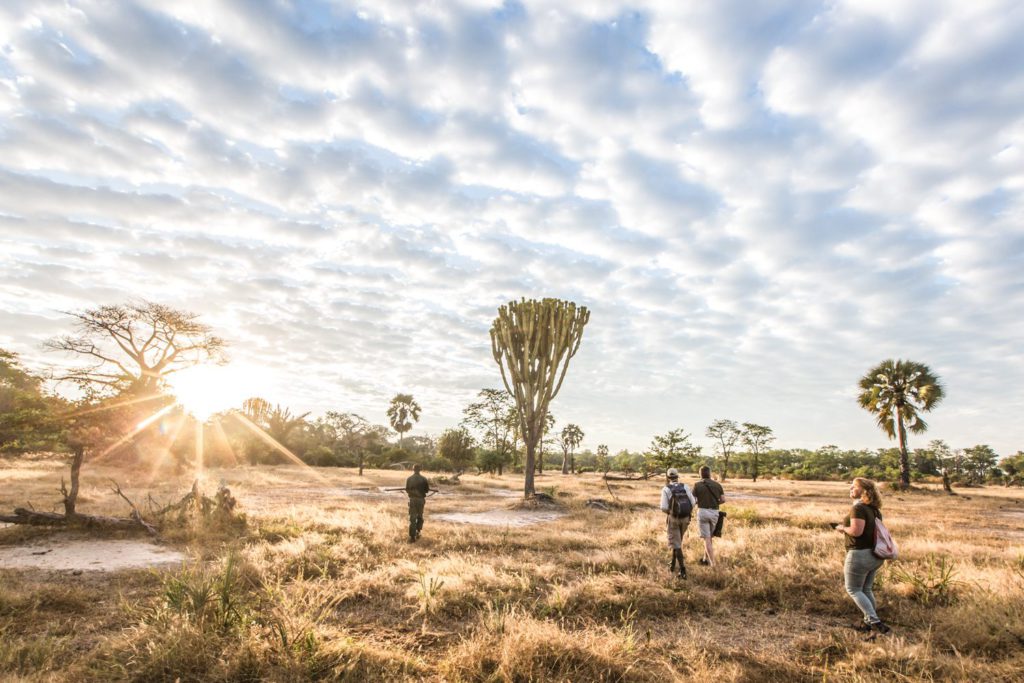
Sunrises and sunsets here are something else entirely. The golden light spills across the savanna, soft and warm, creating the kind of conditions photographers dream of.


Big Cat Encounters: Power, Patience and Precision
The big cat sightings during our time in the Masai Mara were extraordinary.
We encountered four different lion prides, each offering a unique glimpse into their world. One of the most memorable moments was watching a pride stalking a hartebeest through the long grass. The tension was palpable, slow, deliberate, almost silent. Every movement felt calculated, every pause filled with anticipation.
Moments like this remind you just how finely tuned nature is.
Another unforgettable sighting was something Juliet had never witnessed before in all her years of wildlife photography.
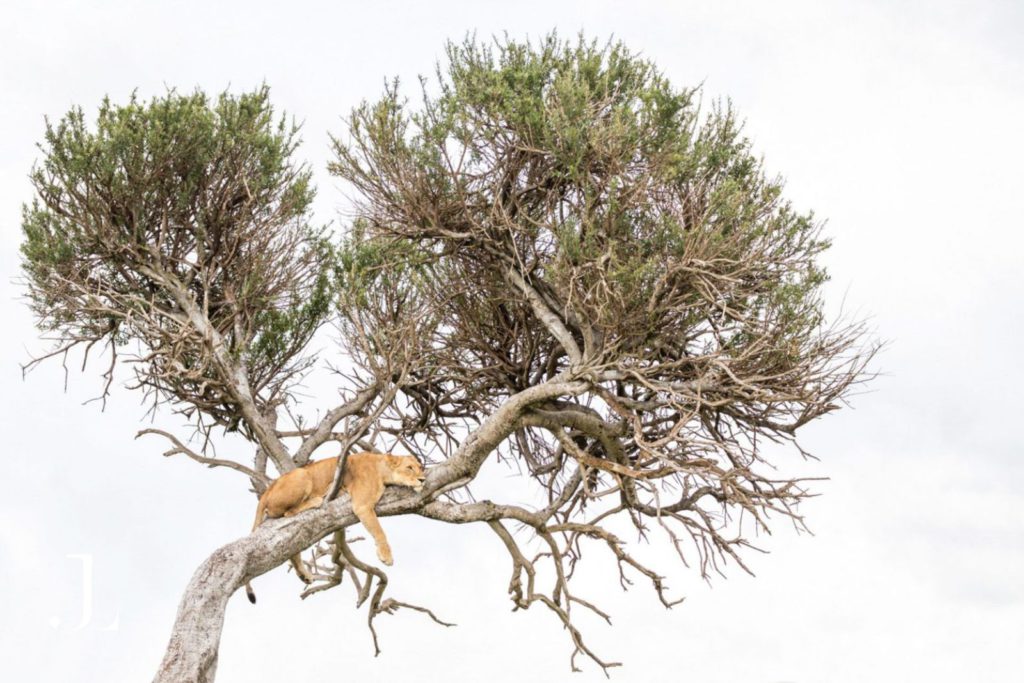
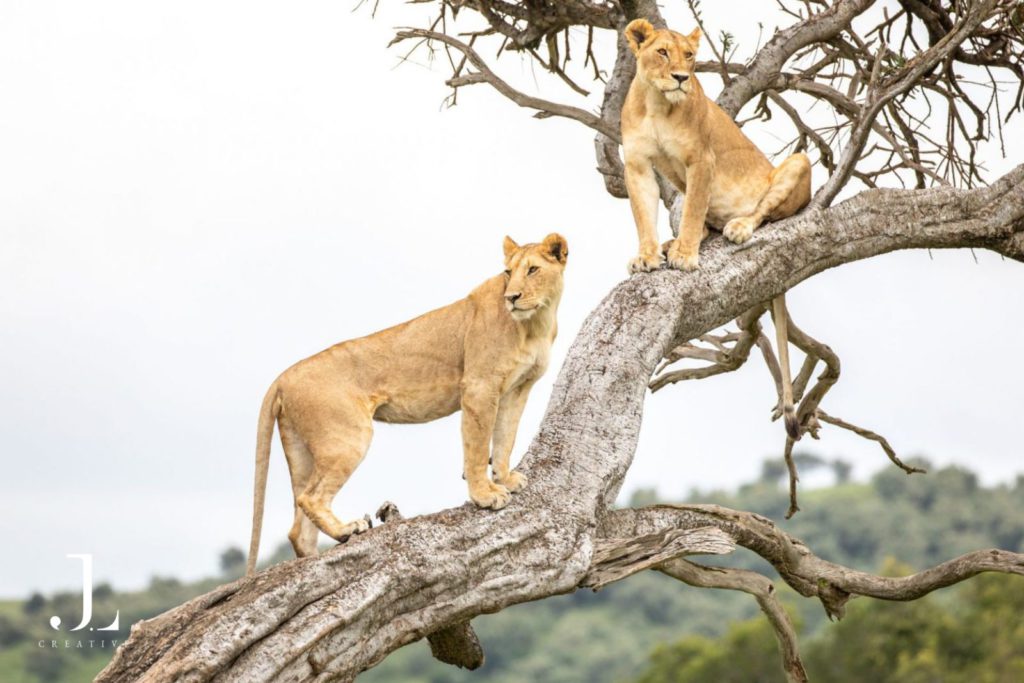
Two lionesses resting in a tree.
At first, it was almost confusing to process. Lions are not typically associated with climbing trees in this way, yet there they were, navigating the branches with surprising ease. Watching them adjust their position, using the elevation to scan the plains for potential prey, was both fascinating and inspiring.
It was a beautiful example of adaptation.
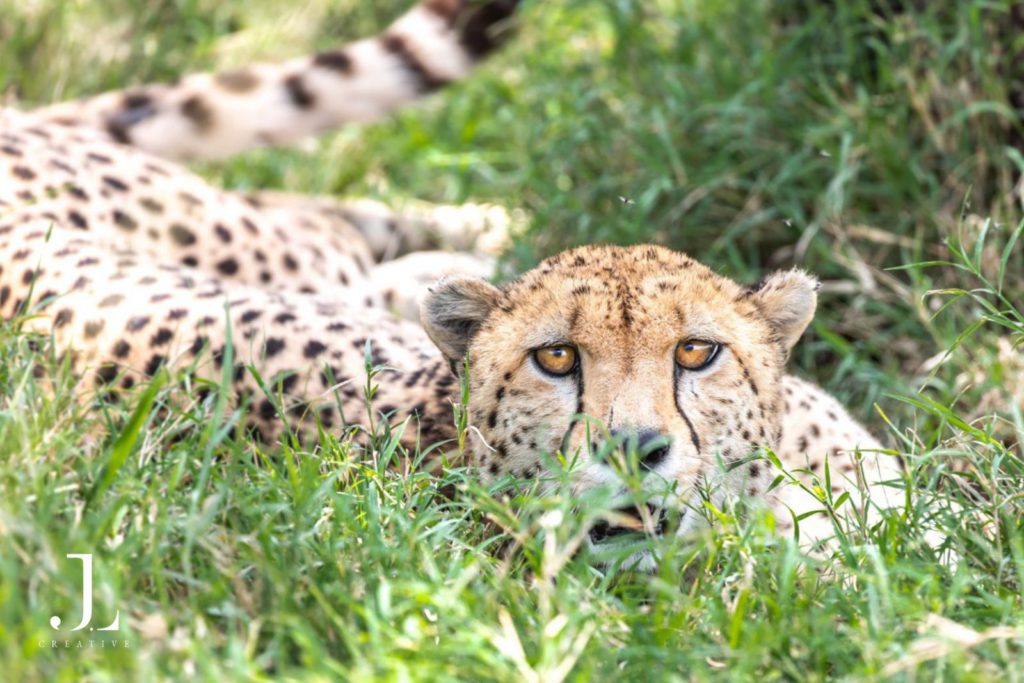
The cheetah sighting brought a completely different energy. Sleek, elegant and incredibly alert, it moved through the grasslands with a quiet confidence. Unlike the lions, there was a lightness to its presence, a sense of precision and grace that made it an absolute joy to photograph.
The Joy of Safari Photography
For Juliet, safari photography is where everything comes together.
There is something deeply fulfilling about being completely immersed in nature, with no distractions. No emails, no phone signal, no external noise. Just the landscape, the wildlife and the moment in front of you.
The focus becomes absolute.
What makes safari photography so special is its unpredictability. No two moments are ever the same, and there is no staging, no control. The animals lead, and as a photographer, you respond.
Using her Canon 5D Mark IV bodies alongside the Canon R5, Juliet worked with a combination of lenses including the 70–200mm f2.8 and a 400mm lens with a 1.4x extender. This allowed her to capture both intimate close-ups and more distant behavioural moments.
Fast shutter speeds were essential for freezing movement, while a shallow depth of field helped isolate subjects against the expansive landscape.
There is also a level of pressure that comes with photographing on a trip of this scale.
In a world where everyone has a camera in their pocket, the expectation is high. It is not just about capturing what everyone else sees, but about creating images that stand apart, that tell a deeper story and reflect a level of experience and understanding.
Drawing on nearly two decades of professional photography experience, Juliet is able to anticipate behaviour, read the environment and position herself to capture moments that might otherwise be missed.
 A Different Perspective: Hot Air Balloon Safari
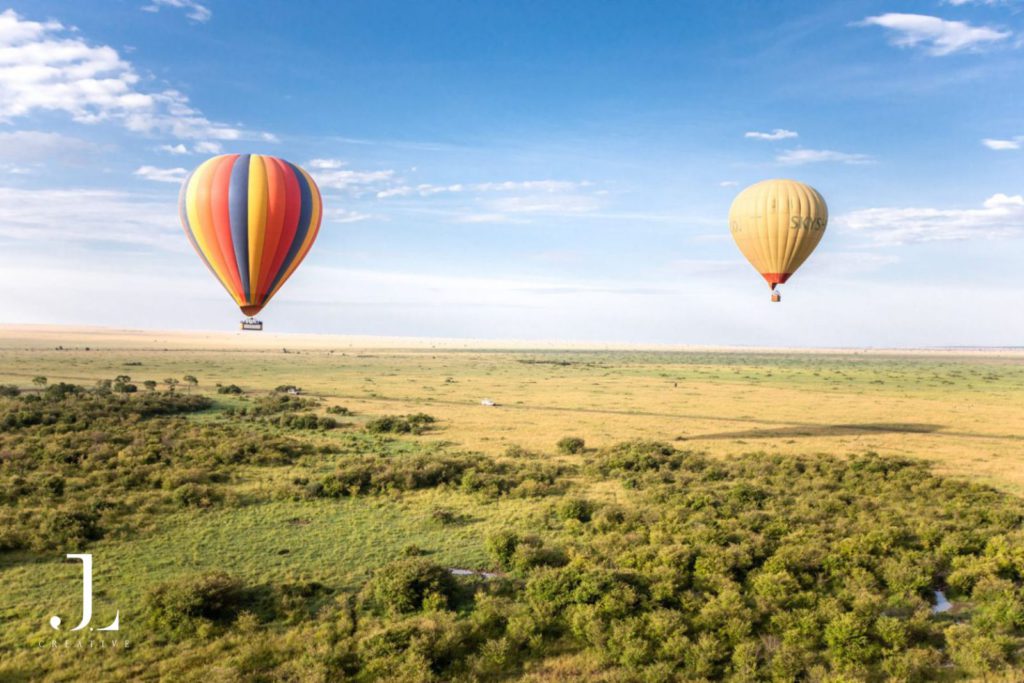
One of the most unforgettable experiences in Kenya was the early morning hot air balloon safari.
Lifting gently into the sky before sunrise, there is a sense of calm that is almost surreal. The only sound is the occasional burst of the burner as the balloon rises, followed by long stretches of quiet as you drift effortlessly across the landscape.
From above, the Masai Mara reveals itself in a completely different way.
Herds of animals move like patterns across the plains. Rivers wind their way through the land, and at one point, we floated above a group of hippos, completely undisturbed by our presence.
It felt peaceful, almost dreamlike.
A champagne breakfast in the bush after landing added a touch of celebration to an already extraordinary experience.
Culture, Community and Connection
Beyond the wildlife, Kenya offers a deep sense of connection to its people and culture.
The Maasai welcome was full of warmth and energy, and spending time with them provided insight into traditions that have been passed down through generations.
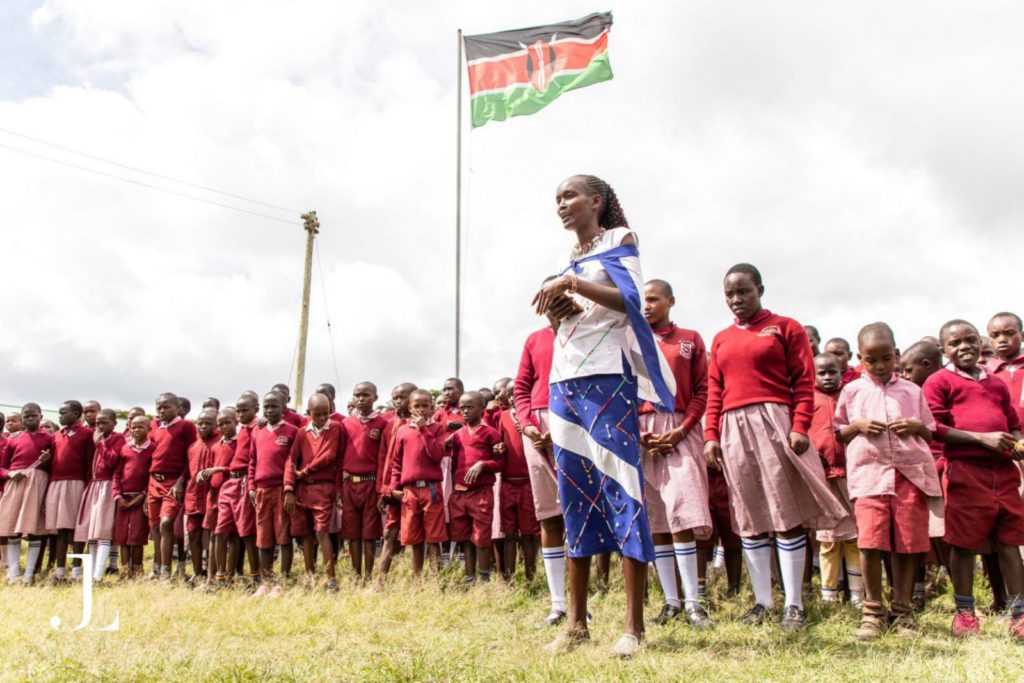
A visit to a local school supported by Abercrombie & Kent Philanthropy added another meaningful layer to the journey. Meeting the children, seeing the classrooms and understanding the positive impact of tourism on local communities was both inspiring and grounding.
These moments remind you that travel is not just about landscapes and wildlife, but about people and connection.


Angama Mara: A Lodge Like No Other
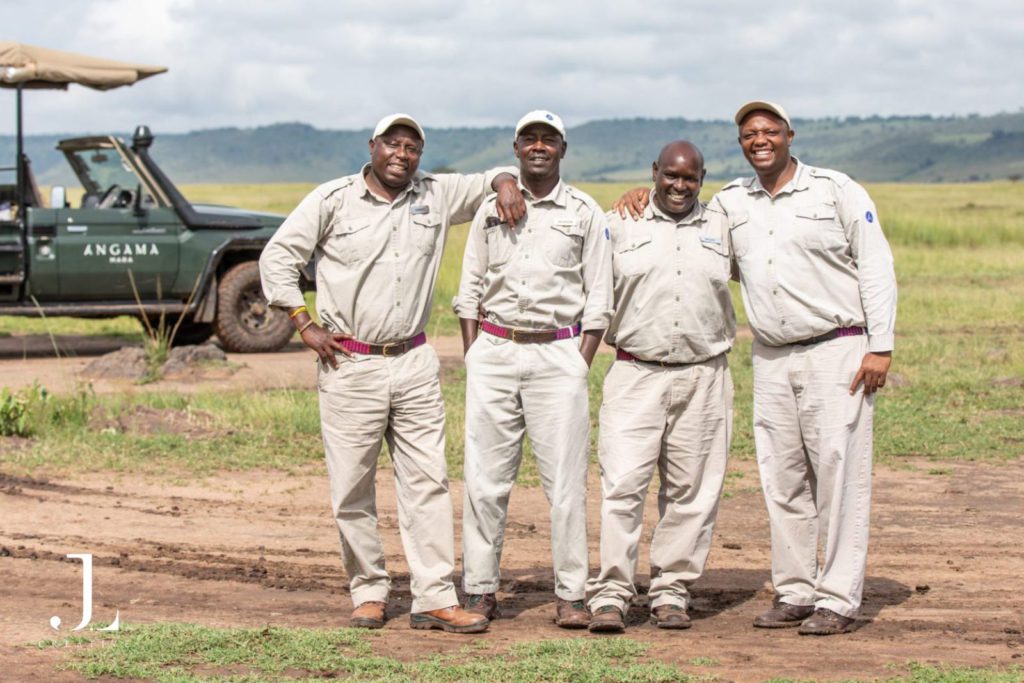
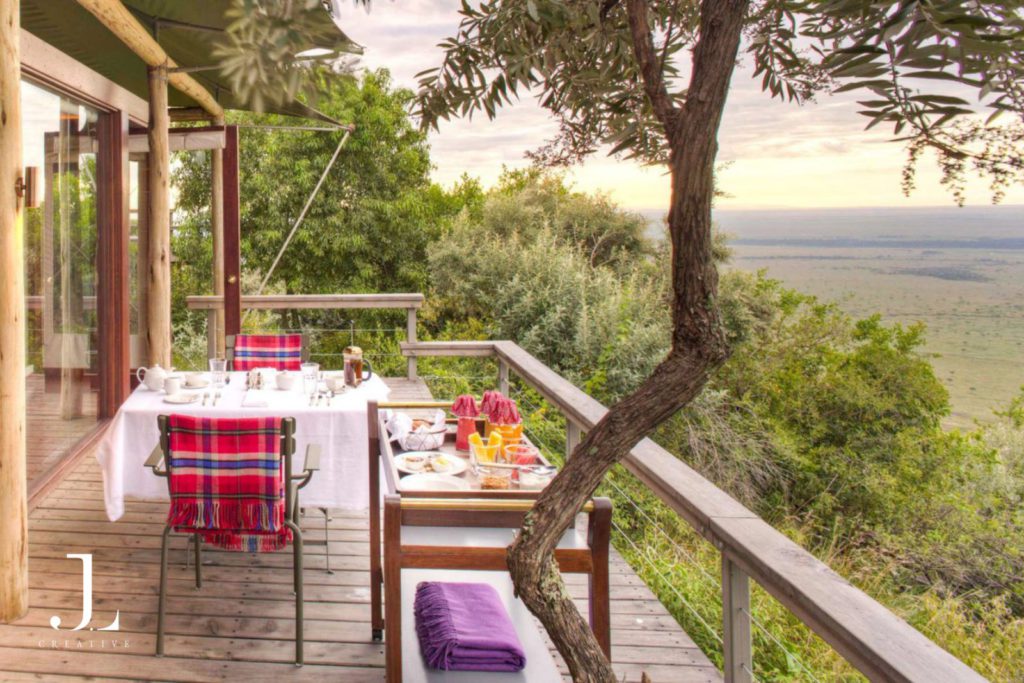
Our home in Kenya was the exceptional Angama Mara.
Perched on the escarpment of the Great Rift Valley, the lodge offers panoramic views across the plains below. The setting alone is breathtaking, but it is the attention to detail, the warmth of the service and the seamless blend of luxury and nature that make it truly special.
It was the perfect place to reflect on the journey.


A Full Circle Ending
As the final destination of the trip, Kenya brought everything together in the most beautiful way.
From Japan’s snow monkeys to the whale sharks of the Philippines, from orangutans in Malaysia to tigers in India, from gorillas in Rwanda to lemurs in Madagascar, this journey had been filled with extraordinary wildlife encounters across the globe.
And yet, ending in Kenya felt entirely right.
It is the heart of safari.
The place where so many wildlife stories begin.
For Juliet, it was a powerful reminder of why she fell in love with photography in the first place.


A Personal Reflection
Having travelled to over 70 countries and worked in 44 of them, including 19 across Africa, Juliet’s connection to this continent runs deep.
Africa has a way of staying with you.
And Kenya, with its openness, its wildlife and its warmth, holds a very special place within that.
This was not just the end of a trip.
It was a moment of reflection, appreciation and gratitude.
Luxury Travel & Safari Photography by JL Creative
At JL Creative, we specialise in capturing luxury travel, wildlife and adventure experiences with a natural, vibrant and story-led approach.
Your Safari Photographer
If you are a luxury travel brand, safari lodge or tourism company looking for photography that captures the true essence of your experience, we would love to hear from you.
FAQs About Safari Photography in Kenya & the Masai Mara
What makes the Masai Mara one of the best places for wildlife photography?
The Masai Mara National Reserve is widely regarded as one of the best wildlife photography destinations in the world, and for good reason.
The landscape is open and expansive, which makes spotting and photographing wildlife significantly easier than in more densely vegetated environments such as tropical forests. This openness allows photographers to capture both intimate wildlife portraits and sweeping, cinematic scenes that showcase animals within their natural habitat.
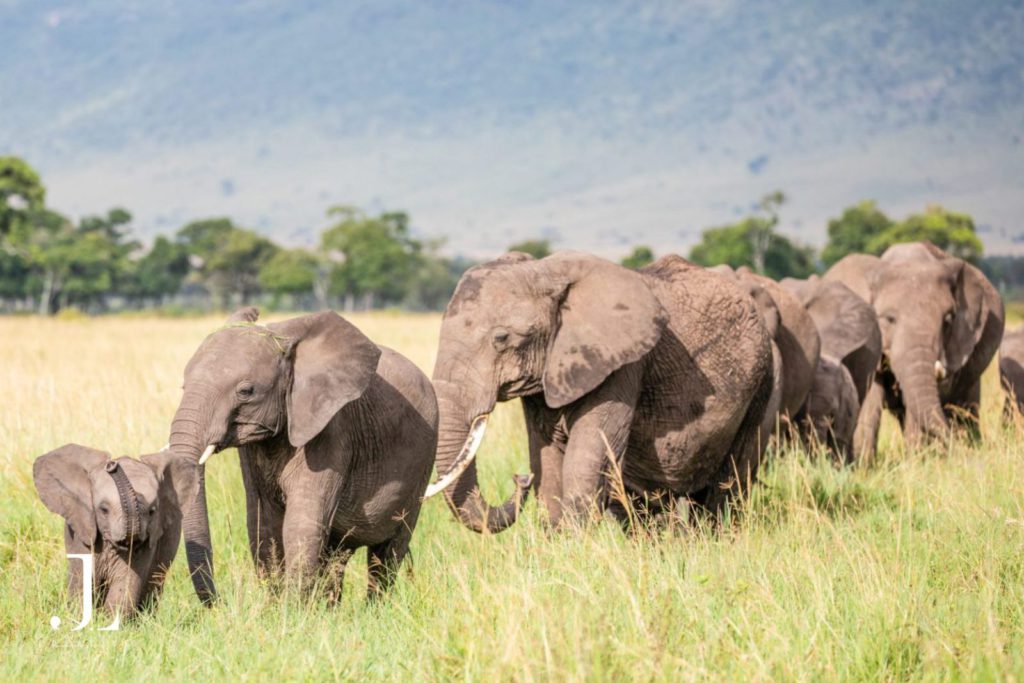
The Mara is also home to an incredible concentration of wildlife, including the iconic Big Five, as well as cheetahs, hyenas, giraffes and an extraordinary variety of birdlife. Combined with beautiful golden-hour light, it creates consistently outstanding conditions for photography.
What camera settings are best for photographing wildlife on safari?
Wildlife photography in the Masai Mara requires a balance of technical precision and adaptability.
In general, the following approach works extremely well:
- Fast shutter speed to freeze movement, particularly for predators or birds in motion
- Wide aperture (such as f2.8 to f4) to create a shallow depth of field and isolate the subject
- Continuous autofocus mode to track moving animals
- Burst shooting to capture sequences of action and behaviour
Beyond the technical settings, one of the most important skills is anticipation. Understanding animal behaviour and being ready for the moment before it happens is what truly elevates wildlife photography.
What camera equipment is best for a Kenya safari photography trip?
For this assignment, Juliet used a combination of professional Canon camera bodies, including the Canon 5D Mark IV and the Canon R5 mirrorless camera.
Her go-to lenses for safari included:
- 70–200mm f2.8 for versatility and medium-range wildlife shots
- 400mm lens with a 1.4x extender for more distant subjects and tighter compositions
- Wide-angle lens (such as 16–35mm) for environmental storytelling and landscape shots
This combination allows for flexibility across a wide range of situations, from close-up animal portraits to expansive landscape compositions.
After more than 18 years photographing wildlife across Africa, this kind of adaptable kit is key to capturing both the expected and the unexpected moments on safari.
Is safari photography in Kenya suitable for beginners?
Absolutely.
The Masai Mara is one of the most accessible and rewarding destinations for beginner wildlife photographers. The open terrain makes it easier to spot animals, and the abundance of wildlife means there are constant opportunities to practise and improve.
Even with a basic camera setup, you can achieve beautiful results.
However, understanding a few key principles can make a big difference:
- Positioning yourself well in the vehicle
- Shooting in good light (early morning and late afternoon)
- Being patient and observing behaviour
- Keeping your composition clean and uncluttered
With guidance and a bit of practice, the results can be truly impressive.
What is the best time of day to photograph wildlife in the Masai Mara?
The most productive and visually beautiful times for wildlife photography are early morning and late afternoon.
During these times:
- The light is softer and warmer, creating more flattering tones
- Animals are more active, particularly predators
- The landscape takes on that iconic golden glow
Midday light can be harsher and less forgiving, but it can still work well for certain situations, particularly when photographing behaviour or storytelling moments.
What makes safari photography different from other types of photography?
Safari photography is completely led by nature.
There is no control over the environment, the subjects or the timing. Everything unfolds in real time, which means you have to be constantly aware, responsive and ready.
What makes it so special is the immersion.
There are no distractions, no phone signal, no external noise. You are fully present in the environment, focused entirely on the wildlife and the moment.
It is this combination of unpredictability and presence that makes safari photography both challenging and incredibly rewarding.
How do you capture unique images when everyone has a camera on safari?
This is such an important question, especially in today’s world where everyone has access to a camera.
The difference comes down to experience, awareness and intention.
At JL Creative, the focus is on:
- Reading animal behaviour and anticipating moments
- Using light creatively to add depth and atmosphere
- Composing images thoughtfully rather than reacting quickly
- Capturing emotion, interaction and storytelling, not just the subject
It is about going beyond simply documenting what is there and instead creating images that feel considered, immersive and distinctive.
What are your top tips for photographing wildlife on safari in Kenya?
Preparation and mindset make a huge difference.
A few key tips include:
- Be patient and allow moments to unfold naturally
- Keep your camera ready at all times, wildlife moments can happen quickly
- Use the light to your advantage, especially during golden hours
- Focus on behaviour and interaction, not just static shots
- Take time to observe before shooting
And perhaps most importantly, remember to occasionally put the camera down and take it all in.
Experiencing the moment fully will always enhance the way you capture it.
0 Comments