

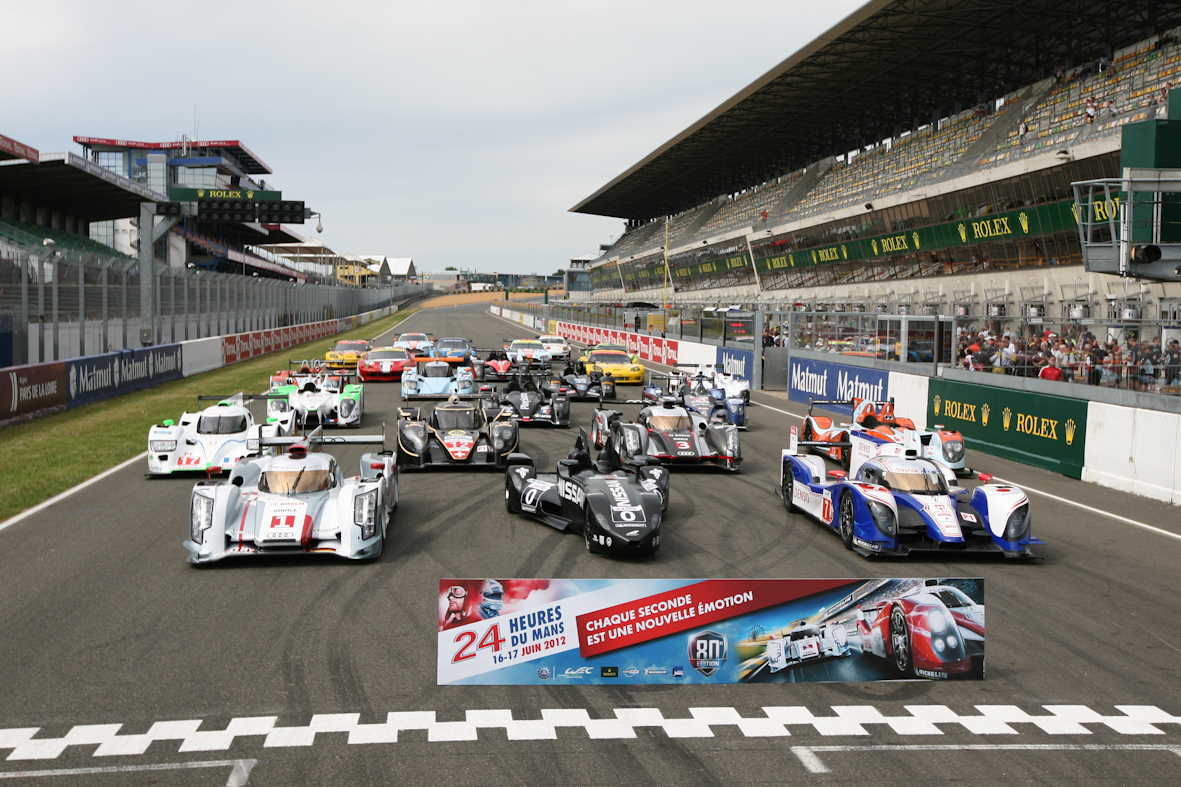
A Cinematic Journey Through Endurance, Adrenaline & 24 Hours Without Sleep
There are certain moments in a photography career that feel like a natural evolution.
And then there are moments that feel like arrival.
For me, stepping onto the legendary Circuit de la Sarthe to photograph the 24 Hours of Le Mans was exactly that.
After years spent immersed in the high-octane world of British Touring Cars and international motorsport, Le Mans was the pinnacle. The ultimate test. Not just for the drivers and teams, but for everyone involved… including the photographers.
Because this is not just a race.
It is an experience that unfolds over days, builds over nights, and culminates in one relentless, extraordinary 24-hour story.
From Sprint Racing to Endurance: A Natural Progression
My journey into Le Mans began with a deep-rooted love of motorsport photography, forged trackside in the UK and across Europe.
From the tight, aggressive racing of touring cars to the international circuits of A1 Grand Prix, I had already experienced speed, pressure and intensity. But endurance racing is something entirely different.
It is not just about capturing moments.
It is about capturing time.
Le Mans stretches every sense, every skill, every ounce of stamina you have as a photographer. And the moment you arrive, you know you are stepping into something far bigger than a standard race weekend.
The Week Before: Where the Story Truly Begins
One of the biggest misconceptions about Le Mans is that it is a 24-hour event.
In reality, it is a full week of relentless storytelling.
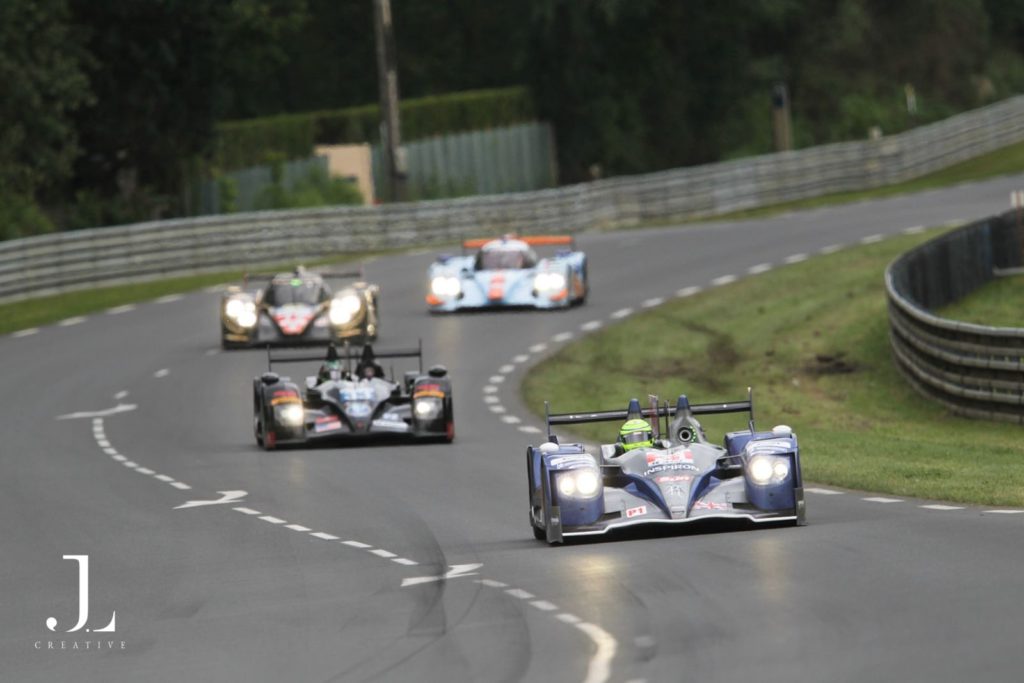
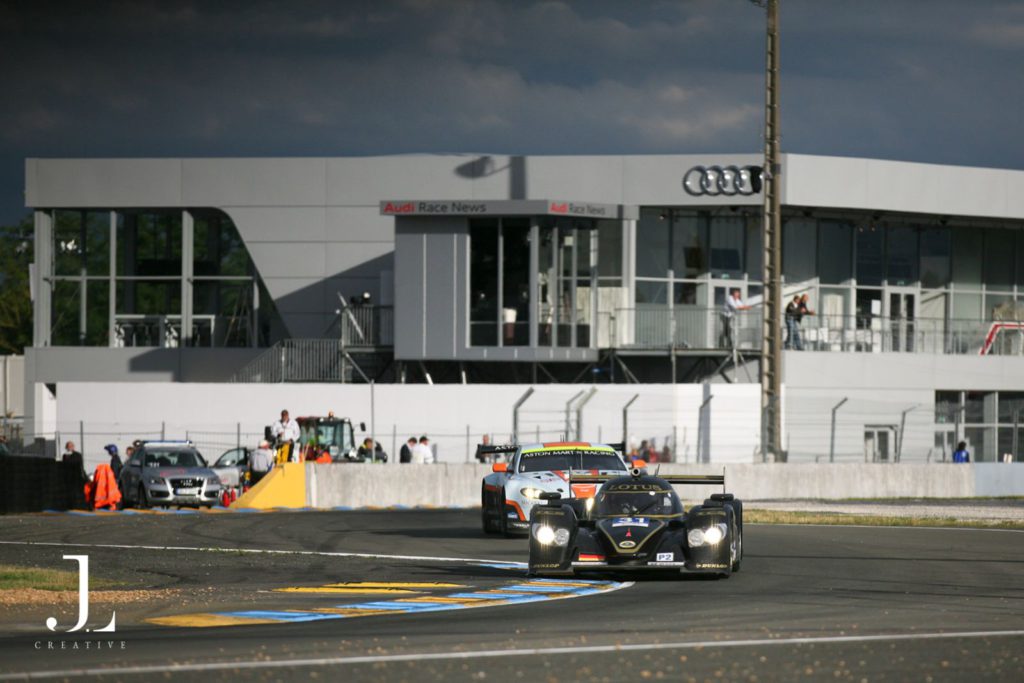
Each year I attended, I arrived well before race day, embedding myself into the rhythm of the circuit. Practice sessions, qualifying rounds, night runs, technical checks, and every stage offered something new to capture.
The cars are pushed to their limits long before the race even begins.
And crucially, they are tested in both daylight and darkness.
Photographing these sessions is where you begin to understand the scale of Le Mans. The circuit is vast. The teams are numerous. The logistics are immense.
And as a photographer, you are constantly moving.
Walking. Running. Navigating.
If I had tracked my steps back then, I have no doubt it would have equated to multiple marathons across the course of the week.


Place des Jacobins: Scrutineering & The Soul of Le Mans
Before the engines roar, before the race begins, the heart of Le Mans shifts into the town itself.
At Place des Jacobins, scrutineering takes place. This is where each car is meticulously checked, verified and approved for racing.
But it is so much more than a technical process.
It is theatre.
Cars gleaming under the light. Teams presenting their machines. Crowds gathering in anticipation. Photographers weaving through it all, capturing those first polished glimpses before the chaos begins.
And then comes the magic.
The Drivers’ Parade: Energy, Celebration & Atmosphere
The Drivers’ Parade transforms Le Mans into something electric.
The streets fill. The crowds swell. The atmosphere lifts.
Drivers are paraded through the town, cheered by thousands of fans lining the streets. There is music, laughter, celebration… a festival-like energy that carries deep into the evening.
For a photographer, it is a completely different rhythm.
From high-speed action to human connection.
From machines to personalities.
It is a reminder that behind every helmet is a story, and behind every team is a community.
Race Day: The Build-Up Before the Storm
Race day does not begin at 3pm, at least not for a photographer.
By early morning, I was already trackside, moving through the pit lanes and garages, capturing those final moments before everything changed.
Behind the scenes, the reality is intense. Cars are rebuilt overnight after crashes, teams work through exhaustion, and last minute adjustments are made right up until the final moments.
There is a quiet urgency in the air, a tension that builds steadily as the hours pass.
Then the crowds begin to arrive. Spectators, VIPs, media, and celebrities fill the circuit, and the entire place comes to life.


Lights Out: The Start of 24 Hours
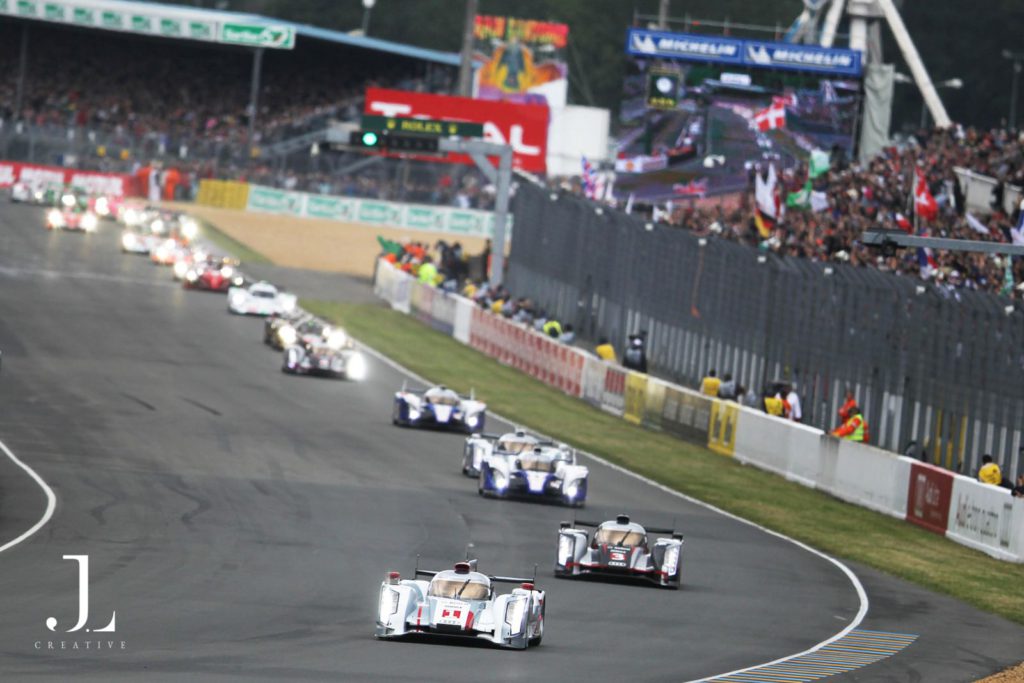
At 3pm, the race begins.
From that moment on, time becomes something entirely different. There is no pause, no reset, and no second chance.
As a photographer, movement is constant. From the grid to the pit lane, from corners to straights, and from trackside to the media centre.
Sometimes this means moving on foot, sometimes jumping into shuttles, occasionally hitching rides on motorbikes, and on rare and unforgettable moments, taking to the air in helicopters to capture the scale from above.
It is relentless. And completely exhilarating.
The Circuit: Iconic Corners & Cinematic Backdrops
The Circuit de la Sarthe is legendary for a reason.
Each section offers its own personality, its own photographic challenge:
- The long, unforgiving Mulsanne Straight
- The technical precision of Indianapolis and Arnage
- The flowing intensity of the Porsche Curves
- The iconic Dunlop Bridge framing the opening laps
Photographing across these locations requires planning, instinct and adaptability.
Because while you may have a vision for a shot, Le Mans rarely unfolds exactly as expected.
Access All Areas: A Photographer’s Playground
One of the most extraordinary aspects of working at 24 Hours of Le Mans was the level of access.
With full media accreditation, I was able to move freely between worlds that most spectators never see, from the pit lane to the garages, from the inner workings of the teams to the edge of the track itself.
I found myself stepping into race trailers for much needed cups of tea, grabbing quick bites in team hospitality areas, and having conversations with drivers, engineers, and crew members between sessions.
There were moments of calm within the chaos, brief pauses where the sheer scale of the event seemed to hold still.
Then came the moments of pure unpredictability. Jumping into shuttles to reach different sections of the circuit, hitching lifts on motorbikes to chase the action, and on occasion taking to the skies in helicopters to capture the scale of Le Mans from above.
It was dynamic, ever changing, and completely immersive.
No two hours were ever the same.


Audi Dominance & Legendary Names
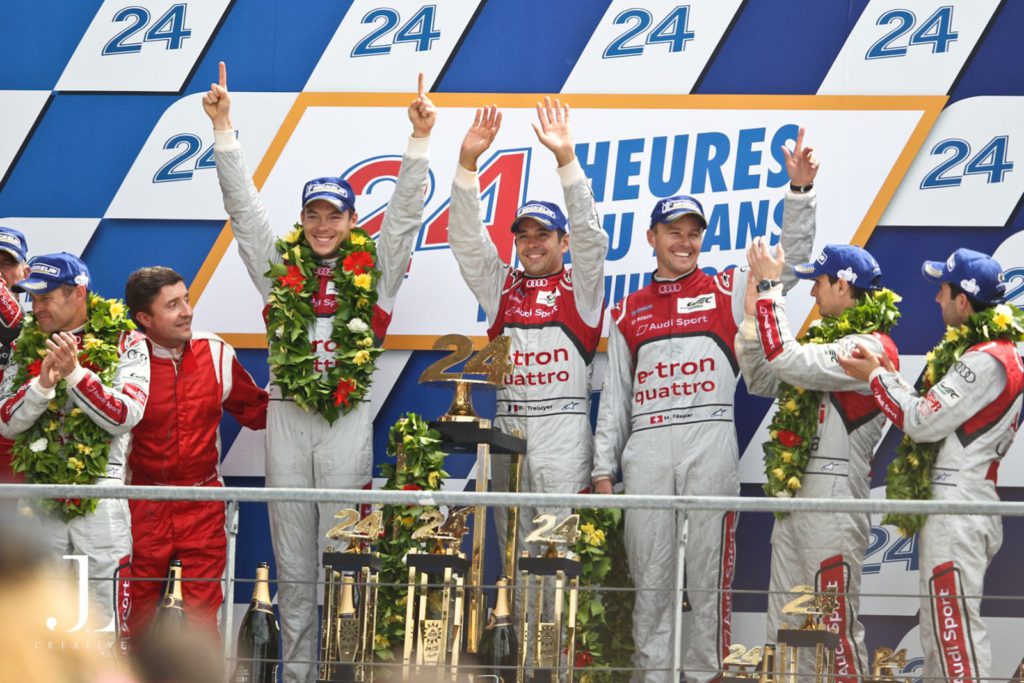
During the years I photographed 24 Hours of Le Mans, one name stood out above all others: Audi.
Their presence, performance, and precision were extraordinary to witness.
Drivers such as André Lotterer, Marcel Fässler, and Benoît Tréluyer delivered exceptional performances, securing victories that defined that era.
Behind the scenes, one remarkable figure also stood out: Leena Gade.
A pioneering force in motorsport and someone I am incredibly proud to now call a friend, her role as chief race engineer during those winning years was nothing short of inspiring.
Leena Gade: Precision, Power & A Personal Connection
One of the most powerful and personal highlights of my time photographing Le Mans was witnessing the extraordinary work of Leena Gade.
At a time when motorsport was still overwhelmingly male-dominated behind the scenes, Leena was not just part of the team, she was leading it. As chief race engineer for Audi Sport Team Joest, she played a pivotal role in securing victory for the No. 2 Audi R18 TDI, becoming the first female race engineer to win the 24 Hours of Le Mans.
And she didn’t stop there.
She went on to win multiple times, cementing her place in motorsport history through sheer brilliance, calm precision and an ability to operate at the very highest level under immense pressure.
For me, this was more than just a headline story.
I had the privilege of photographing Leena in action, capturing those moments of deep focus, quiet communication, and total control amidst the chaos of endurance racing. Over time, that professional admiration evolved into something far more meaningful, and I am incredibly proud to now call her a dear friend.
She is not only exceptional at what she does, but an all-round brilliant human being.
And having that personal connection to such a historic moment adds an entirely different layer to the imagery I created during those years.
The Unexpected: Crashes, Chaos & Emotion
Le Mans is unpredictable.
No matter how prepared you are, the race will always throw something unexpected your way.
From dramatic crashes to mechanical failures, from underdog stories to heartbreaking retirements; the emotional range is vast.
I remember the atmosphere when experimental cars like the Nissan DeltaWing struggled to deliver on their promise. The anticipation, the hope, and then the collective disappointment when things didn’t go to plan.
Moments like these remind you that Le Mans is not just about speed.
It is about risk. Innovation. And resilience.
When Motorsport Turns Real: The Moments You Never Forget
For all its glamour, prestige and engineering excellence, Le Mans has a very real edge to it.
There are moments when the race shifts from spectacle to something far more serious.
I vividly remember witnessing the aftermath of Allan McNish’s enormous crash in 2011. The sheer force of the impact, the debris, the silence that followed; it was a stark reminder of just how unforgiving this sport can be.
Then in 2012, seeing Anthony Davidson’s car lift into the air and disintegrate in such a violent accident was nothing short of shocking. It is one thing to photograph speed and competition, but another entirely to witness moments where safety and survival come to the forefront.
And in 2013, the atmosphere changed completely following the tragic loss of Allan Simonsen. Having spent time photographing Aston Martin teams and drivers such as Darren Turner, that moment hit particularly close to home.
The tone of the race shifted.
The energy softened.
There was a collective sense of reflection that ran through the paddock, the pit lane, and the entire circuit.
These are the moments that stay with you.
They are not always easy to talk about, but they are part of the story. And as a photographer, you carry the responsibility of documenting not just the highs, but the reality of the sport in its entirety.


The Gear, The Glass & The Physical Demands
Photographing Le Mans is not just creatively demanding, it is physically intense.
The sheer scale of the event means you are constantly on the move, carrying equipment across vast distances, often for hours on end with no real pause. Add to that the need to shoot across changing light conditions, from bright daylight to deep night, and the technical demands increase significantly.
My setup at the time was built for versatility and speed.
Working with two camera bodies allowed me to switch instantly between focal lengths without missing key moments. My kit included:
- 16–35mm for wide, immersive environmental shots
- 70–200mm for dynamic on-track action
- Longer lenses including 400mm, and at times even 500mm and 600mm, for compressing distance and capturing cars at speed from further positions
A monopod was essential, particularly when working with heavier telephoto lenses over long periods.
In the pit lane, safety was also paramount. Working in this environment required full fireproof overalls and a crash helmet. It is a high-risk, high-intensity space where cars enter and exit at speed, crews move rapidly, and there is no margin for distraction.
You are not just observing. You are part of the environment.
The Brutality & Beauty of Endurance
What perhaps struck me most about Le Mans was not just the racing, but the endurance of everyone involved.
Yes, the drivers.
But also the teams.
The mechanics working through the night, grabbing moments of sleep wherever they could, sometimes curled up on tyres in the garage. The engineers maintaining absolute focus after hours without rest. The photographers, journalists and crew all pushing through fatigue to keep up with the pace of the event.
It is relentless, exhausting, and, yet, it is incredibly beautiful.
Because within that exhaustion comes something rare. A shared experience. A collective energy. A sense that everyone is part of something far bigger than themselves.
Nightfall: Where Le Mans Becomes Cinematic
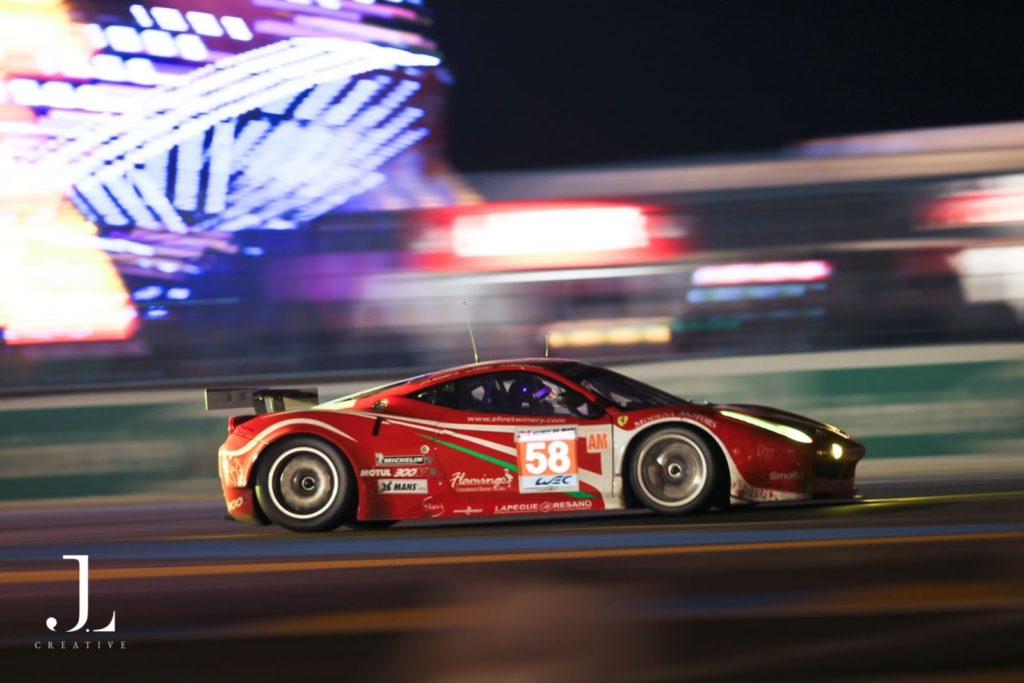
As the sun sets, 24 Hours of Le Mans transforms.
The circuit glows under artificial light as brake discs burn bright and headlights cut through the darkness.
This is where motorsport photography becomes something truly special.
Shooting at night requires a completely different approach, from adjusting settings and working with available light to embracing shadows and contrast.
It is technical, challenging, and visually stunning.
Dawn: The Most Magical Moment
After hours of darkness, fatigue begins to set in.
And then, dawn arrives.
The light softens, the air shifts, and the atmosphere takes on an almost surreal quality.
This is one of my favourite moments to photograph because it feels like a reset, a quiet pause in the middle of chaos.
And yet, the race continues.


The Final Hours & The Finish Line
As the clock ticks towards 24 hours, everything intensifies. Teams push harder, drivers dig deeper, and the tension builds with every passing lap.
Then finally, the chequered flag falls.
But for a photographer, it is far from over.
Beyond the Finish: The Work Continues
The podium celebrations. The champagne spray. The interviews.
And then comes the edit.
Images need to be processed, selected, and delivered quickly, often in real time during the race and immediately after the finish.
From trackside to media centre, from camera to client, it is a constant cycle.
Exhausting. But incredibly rewarding.
What Le Mans Taught Me
24 Hours of Le Mans taught me more than any other event.
It taught me endurance, adaptability, and how to tell a story across time, not just in individual moments.
Those lessons still shape my work today.
Whether I am photographing corporate events, brand activations, or global experiences, that instinct for storytelling, timing, and energy comes directly from those extraordinary days at Le Mans.
Final Thoughts
24 Hours of Le Mans is not just a race.
It is a world, a rhythm, a story, and a test of endurance for everyone involved.
To have experienced it through the lens, and to have captured those moments as they unfolded, is something I will always be incredibly grateful for.


FAQs: Le Mans & Endurance Motorsport Photography
Why is Le Mans considered the pinnacle of motorsport photography?
Because it combines everything. Speed, endurance, emotion, technical precision and human resilience, all unfolding over 24 continuous hours. It offers a depth of storytelling that very few events in the world can match.
What makes photographing a 24-hour race so challenging?
It is physically and mentally demanding. Long days, no sleep, constant movement and ever-changing conditions require focus, stamina and adaptability. You are effectively working non-stop while maintaining high creative and technical standards.
How do you manage shooting across day and night conditions?
By constantly adapting. Camera settings, lenses and shooting techniques all need to be adjusted as light conditions change. Night photography in particular requires a strong understanding of exposure, movement and available light.
How are Le Mans images used by clients?
They are used across global media, marketing campaigns, sponsorship activations and PR. The imagery captures not just the race, but the prestige and scale of the event, making it incredibly valuable for brands and teams.


0 Comments