

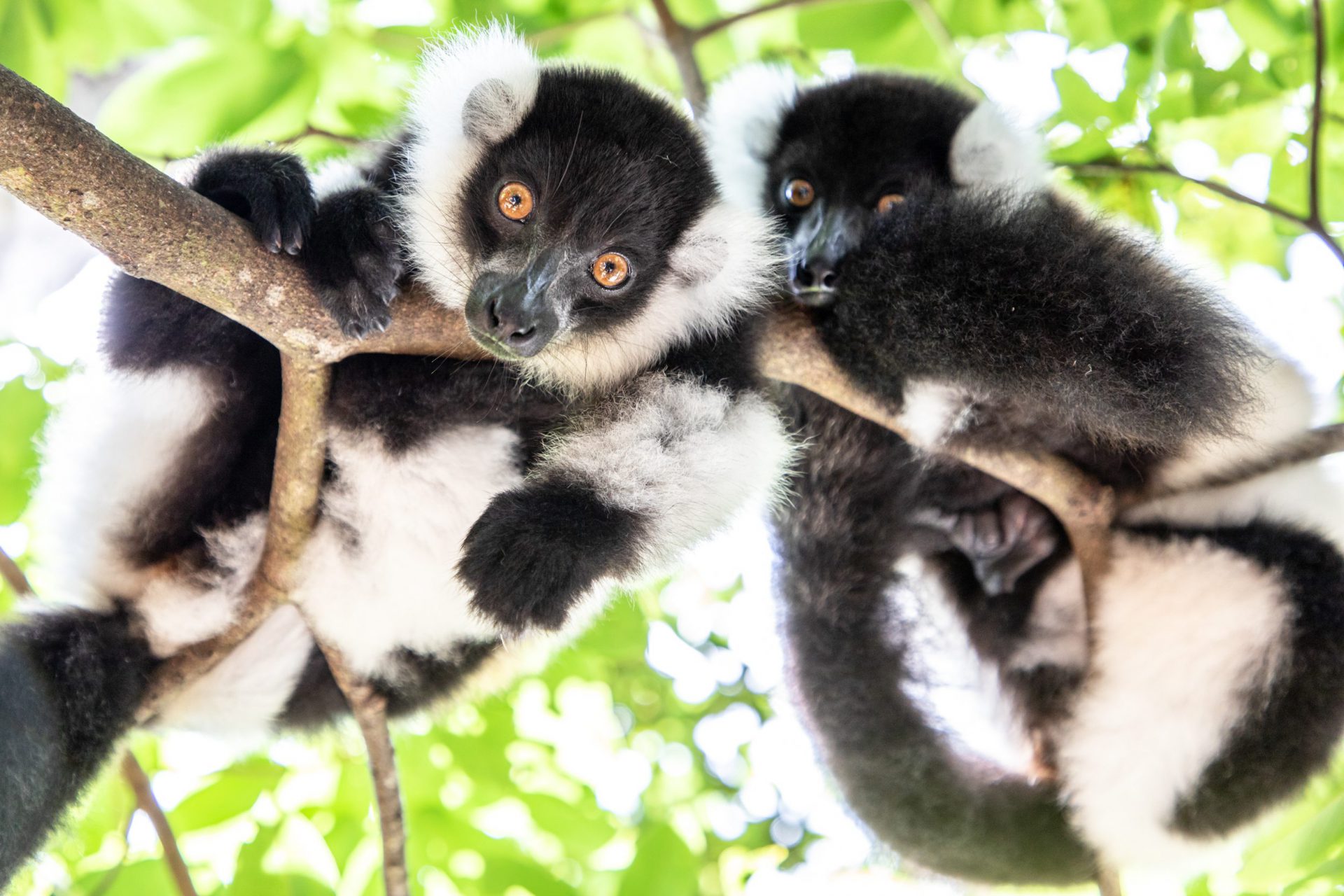
Lemurs, Island Life & Tropical Adventure with Abercrombie & Kent
Madagascar has a magic to it that feels entirely its own.
It is wild, vibrant and full of life, yet at the same time deeply relaxed, almost dreamlike in its pace and rhythm. There is an unmistakable energy that runs through the island, something that feels both African and uniquely Madagascan, with just a hint of that carefree, slightly chaotic island spirit.
As the sixth destination on the extraordinary 25-day “Wildlife Safari: Around the World by Private Jet” with Abercrombie & Kent, Madagascar brought a completely different tone to the journey.
After the intensity of India and the emotional depth of Rwanda, this was softer, more playful, more sensory.
For Juliet from the JL Creative team, this was also a return.
Having previously spent a month travelling across Madagascar back in 2011, exploring places such as Antananarivo, Diego Suarez, Nosy Be, Nosy Komba and the iconic Avenue of the Baobabs, it felt incredibly special to return.
There is something about Madagascar that stays with you.
And coming back felt like reconnecting with an old friend.
Arrival in Nosy Be: From Bush Taxis to Private Jets
Arriving into Nosy Be this time felt very different.
Back in 2011, Juliet had travelled around Madagascar the adventurous way, hopping between destinations in local bush taxis, often referred to as “taxi-brousse”, navigating long journeys across the island alongside locals and fellow travellers.
This time, the arrival was on an entirely different scale.
Touching down on a private Boeing 757, stepping off into the warm tropical air and being greeted by a fleet of luxury 4×4 vehicles waiting to transport us between locations, it was a striking contrast.
And yet, both experiences felt equally special in their own way.
One raw and adventurous. The other refined and seamless.
The Perfumed Island: First Impressions of Nosy Be
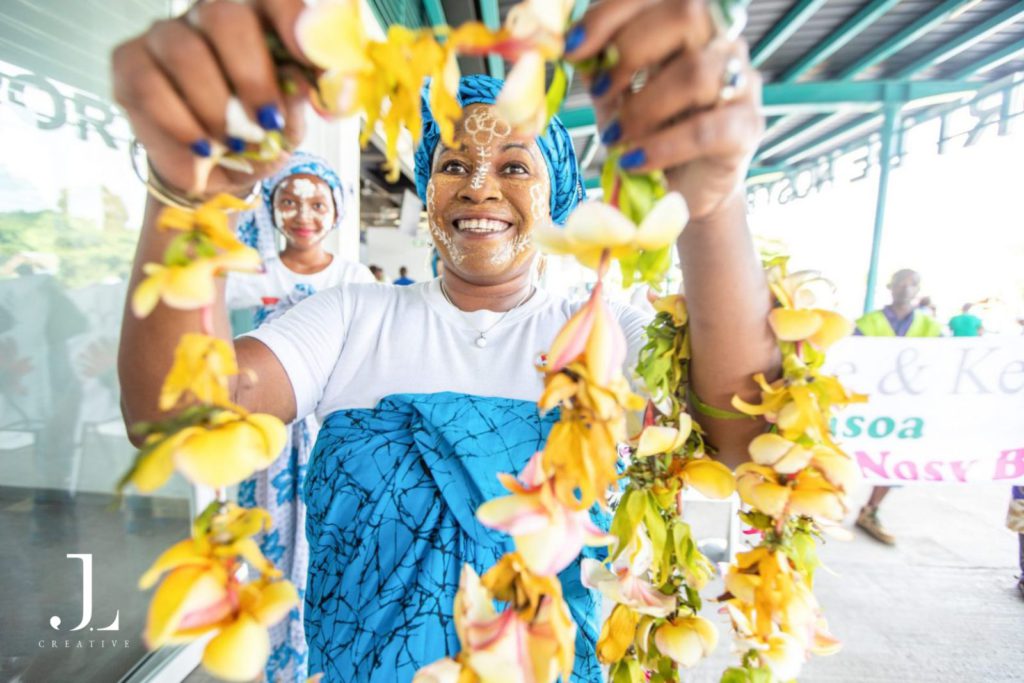
We were welcomed by the smiling Malagasy people and adorned with delicate ylang-ylang garlands.
Nosy Be is known as “The Perfumed Island,” and within moments, it is clear why.
The scent of ylang-ylang lingers gently in the air, soft, floral and calming. It is not overpowering, but rather a subtle, constant presence that becomes part of the atmosphere.
The heat wraps around you instantly.
Warm, humid and tropical, it softens the light and slows everything down.
Slowing Down: The Rhythm of Island Life
Madagascar invites you to slow down.
There is no urgency here.
Time stretches. Moments lengthen.
Even within a fast-paced, high-intensity 25-day assignment, this destination offered a sense of calm.
You begin to notice more, feel more, and experience everything just that little bit deeper.
A Photographer’s Reality: Working at Full Pace
Behind the beauty of the experience was the reality of the assignment.
For Juliet, this journey was intense.
It was, in many ways, like photographing back-to-back weddings for 25 consecutive days. Long days, often 15 hours or more, constantly shooting, observing, capturing everything from grand moments to the smallest details.
And when the cameras were down, the work continued.
Laptop open. Images being edited. Files being organised. Deliverables being prepared.
It was full immersion.
Creative, exhilarating and demanding all at once.


A Special Moment Away from the Lens
And yet, within that intensity, there was one particularly special pause.
One evening on Nosy Be, while guests were enjoying dinner, Juliet stepped away for a few precious hours to reconnect with someone from her previous trip.
A local woman named Solange.
They had met back in 2011 and had stayed in touch over the years as pen pals. Solange now works as a guide, welcoming visitors arriving into Madagascar, particularly those travelling by cruise ship.
Meeting again after all those years was incredibly meaningful.
They spent the evening together, catching up over dinner, walking through the local area and meeting some of her friends.
It was simple, genuine and full of warmth.
A beautiful contrast to the luxury of the private jet journey, and a reminder that it is often the human connections that stay with you the longest.
Lemur Encounters: Playful, Curious and Magical
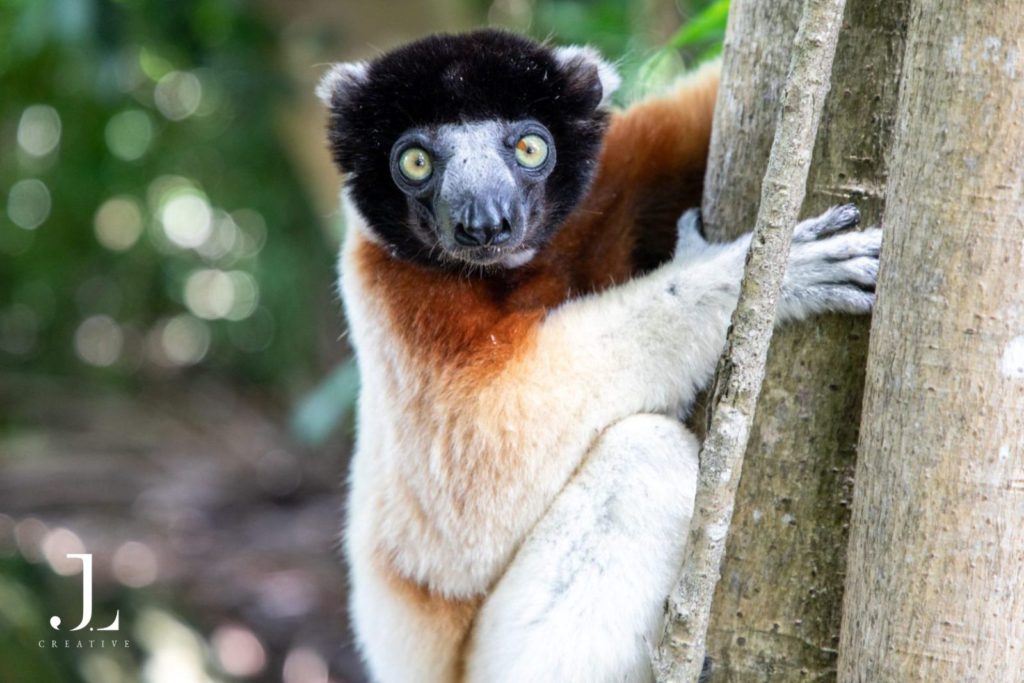
One of the standout highlights of Madagascar is its endemic wildlife, and in particular, the lemurs.
On Nosy Antsoha, we spent time with these extraordinary creatures in their natural environment.
They were curious, playful and completely captivating.
Making eye contact, moving around us freely, interacting with each other in ways that felt both wild and strangely familiar.
There is something deeply engaging about their energy.
They are expressive, animated and full of character.
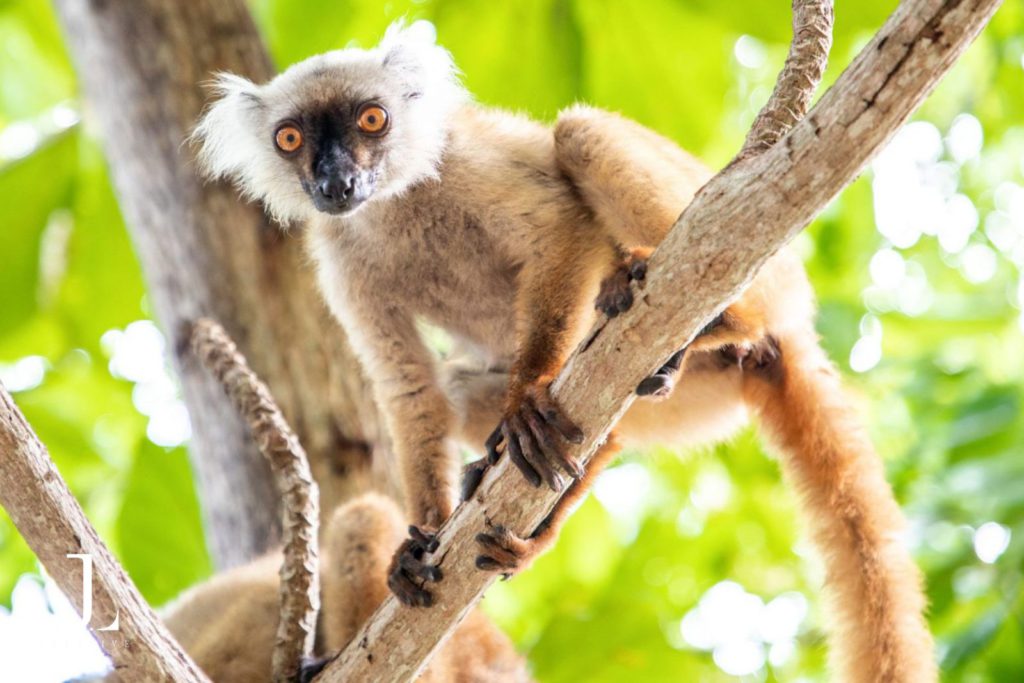
Capturing Lemurs: Stillness and Motion
Photographing lemurs is a joy.
Using a 50mm prime lens allowed for intimate, beautifully composed images, while the 70–200mm lens offered flexibility for capturing movement and interaction.
The key is patience.
Waiting for the right moment. The right expression. The perfect composition.
And then, switching to video to capture the movement, the playfulness, the sound of the environment.
Both mediums working together to tell a richer story.
Tropical Adventures: Water, Light and Freedom
Madagascar is not just about the forest.
It is also about the sea.
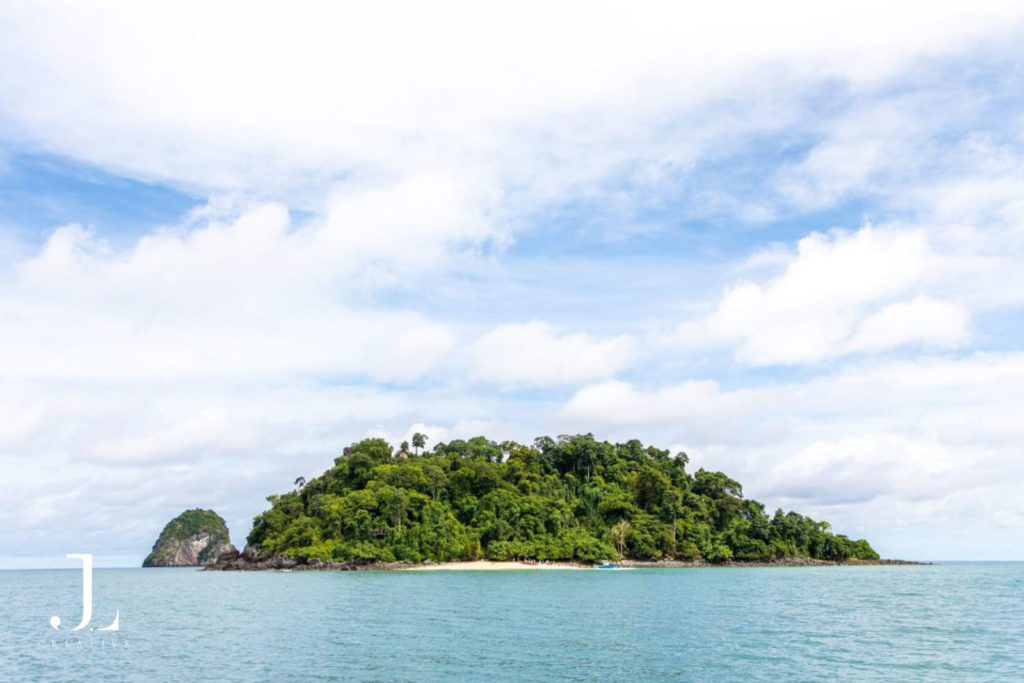
Boating between islands, swimming in crystal-clear turquoise waters, snorkelling among vibrant marine life and spotting turtles gliding effortlessly through the ocean.
The water is warm, inviting and endlessly beautiful.
There is a sense of freedom here that is hard to replicate.
Local Flavours: Coffee, Cacao and Culture
A visit to a local coffee and cacao plantation added another layer to the experience.
Rich aromas, deep flavours and a strong connection to the land.
Moments like this ground the journey.
They connect you to the place beyond its beauty.
Evenings in Madagascar: Joy and Celebration
Evenings were filled with warmth and connection.
From relaxed cocktails to a beautifully curated private beach dinner, there was a sense of celebration woven into each night.
A time to reflect, share, and simply enjoy the moment.
Luxury in Nature: Ravintsara Wellness Hotel
Our stay at Ravintsara Wellness Hotel offered a perfect blend of comfort and nature.
Surrounded by lush gardens, with views stretching out towards Sakatia Island, it provided a calm and beautiful base for our time in Madagascar.
A Personal Reflection: Madagascar Through the Lens
Madagascar can be described in three words:
Incredible. Immersive. Joyful.
It is a place that engages all the senses.
A place that invites you to slow down.
A place that stays with you.
Returning here after many years felt deeply meaningful, not just because of the destination itself, but because of the memories, the connections and the experiences that came with it.
Luxury Travel & Wildlife Photography by JL Creative
At JL Creative, photography is about capturing not just what a place looks like, but how it feels.
Your Travel & Wildlife Photographer
If you are a luxury travel brand or destination looking for photography that captures the essence of your experience, we would love to hear from you.


FAQs About Madagascar, Lemurs & Travel Photography
What makes Madagascar such a unique destination for wildlife photography?
Madagascar is one of the most extraordinary wildlife destinations in the world because around 90% of its species are found nowhere else on Earth. For a wildlife photographer, that makes it incredibly special.
From lemurs to chameleons, tropical birds and marine life, the diversity is remarkable, and the environments themselves are just as visually rich. You are working with lush forests, island beaches, vibrant colour palettes and beautiful natural light.
From over 20 years of experience photographing wildlife across Africa and beyond, Madagascar stands out as a destination that offers both rarity and creativity. It is not just about documenting wildlife, it is about capturing something truly unique.
Are lemurs easy or difficult to photograph?
Lemurs are an absolute joy to photograph, but they do require a certain level of skill and patience.
They are curious and often come relatively close, which creates wonderful opportunities for intimate shots. However, they are also quick, playful and unpredictable, so timing becomes incredibly important.
From a photography perspective, it is about being ready.
Anticipating movement. Watching behaviour. Composing your shot before the moment happens.
Using a fast shutter speed helps freeze movement, while a shallow depth of field allows the subject to stand out beautifully against the tropical background.
What camera gear is best for wildlife and travel photography in Madagascar?
For this assignment, Juliet used a combination of professional Canon camera bodies, including the Canon 5D Mark IV and the Canon R5 mirrorless camera.
In terms of lenses, a 50mm prime lens was fantastic for close, intimate wildlife shots, especially with lemurs, while the 70–200mm f2.8 provided versatility for capturing movement and interactions from a comfortable distance.
Interestingly, tripods and monopods were not necessary for this type of shoot. The light in Madagascar is generally strong and consistent, which allows for fast shutter speeds and handheld shooting.
This creates a more fluid, responsive way of working, particularly when photographing wildlife that is constantly moving.
What are the biggest challenges when photographing in Madagascar?
The main challenge in Madagascar is the humidity.
Moving between air-conditioned rooms and the outdoor tropical heat can cause lenses to fog up almost instantly. This can be frustrating if you are not prepared.
A simple but very effective solution is to carry silica gel packs in your camera bag to absorb moisture, along with a lens cloth to quickly clear condensation.
Beyond that, the fast movement of wildlife and ever-changing light conditions require adaptability, but this is all part of the excitement of photographing in such a dynamic environment.
Do you need professional experience to photograph wildlife in Madagascar?
Not at all, but having experience certainly helps.
Madagascar is an incredibly rewarding destination for photographers of all levels. Whether you are using a professional DSLR or simply shooting on a smaller camera, there are opportunities everywhere.
However, understanding light, composition and timing will elevate your images significantly.
As a professional photographer with over 20 years of experience, Juliet approaches each scene with a combination of technical awareness and instinct, which allows her to capture both the moment and the emotion behind it.
What makes Madagascar different from other African photography destinations?
Madagascar has a completely different feel from mainland African safari destinations.
While places like Botswana or Kenya focus on large wildlife and open landscapes, Madagascar offers a more intimate, detailed and sensory experience.
It is about smaller wildlife, tropical environments, textures, colour and atmosphere.
There is also a beautiful blend of African wildness and island life, which creates a unique energy that is both vibrant and relaxed at the same time.
What is the best approach to capturing both photography and video on a trip like this?
Balancing photography and video requires a thoughtful approach.
Photography captures those timeless, still moments, the perfect composition, the light, the expression.
Video, on the other hand, captures movement, sound and atmosphere.
On this assignment, Juliet moved naturally between the two, using her Canon R5 for both stills and video, allowing her to tell a more complete story of the experience.
The key is knowing when to pause, observe and decide which medium will best capture the moment.
What are your top tips for photographing in tropical destinations like Madagascar?
Preparation is key.
Be ready for humidity and protect your gear with silica packs and lens cloths. Keep your equipment simple and versatile so you can move quickly and respond to moments as they happen.
Most importantly, take time to observe.
Do not rush.
Some of the most powerful images come from slowing down, watching behaviour and waiting for the right moment.
And finally, remember to put the camera down occasionally.
Experiencing the moment fully will always enhance the way you capture it.
How do you manage condensation on professional camera gear in tropical climates like Madagascar?
Condensation is one of the biggest challenges when photographing in tropical destinations like Madagascar.
When moving from an air-conditioned environment into warm, humid air, camera bodies and lenses can fog up almost instantly. This can be frustrating, especially when you are about to capture an important moment.
Over the years, Juliet has developed a simple but highly effective system to manage this. She keeps silica gel packs in her camera bags to absorb moisture and reduce humidity around the equipment. Allowing the camera gear to gradually adjust to the outside temperature before shooting also helps minimise condensation.
Having a clean lens cloth to hand is essential for quickly clearing any moisture from the lens surface. It is a small detail, but one that can make a significant difference in fast-paced shooting environments.
With over 20 years of experience photographing in diverse climates across Africa and beyond, these practical techniques ensure that equipment performs reliably, even in challenging conditions.
What camera settings work best for photographing fast-moving wildlife like lemurs?
Photographing fast-moving wildlife such as lemurs requires a combination of technical precision and instinct.
A fast shutter speed is essential to freeze movement, particularly when animals are jumping between branches or interacting quickly with one another. Juliet typically works with a high shutter speed to ensure sharp, crisp images.
A wide aperture, often using lenses such as the 50mm prime or the 70–200mm f2.8, helps create a shallow depth of field. This allows the subject to stand out beautifully against the often busy tropical background.
Continuous autofocus and burst shooting modes are also key, enabling multiple frames to be captured in quick succession, increasing the chances of securing that perfect moment.
Beyond the technical settings, experience plays a huge role. Anticipating behaviour, reading movement and positioning yourself well are just as important as the camera settings themselves.
It is this blend of technical knowledge and real-world experience that allows JL Creative to consistently capture dynamic, engaging wildlife imagery.
Leave a Reply
0 Comments