

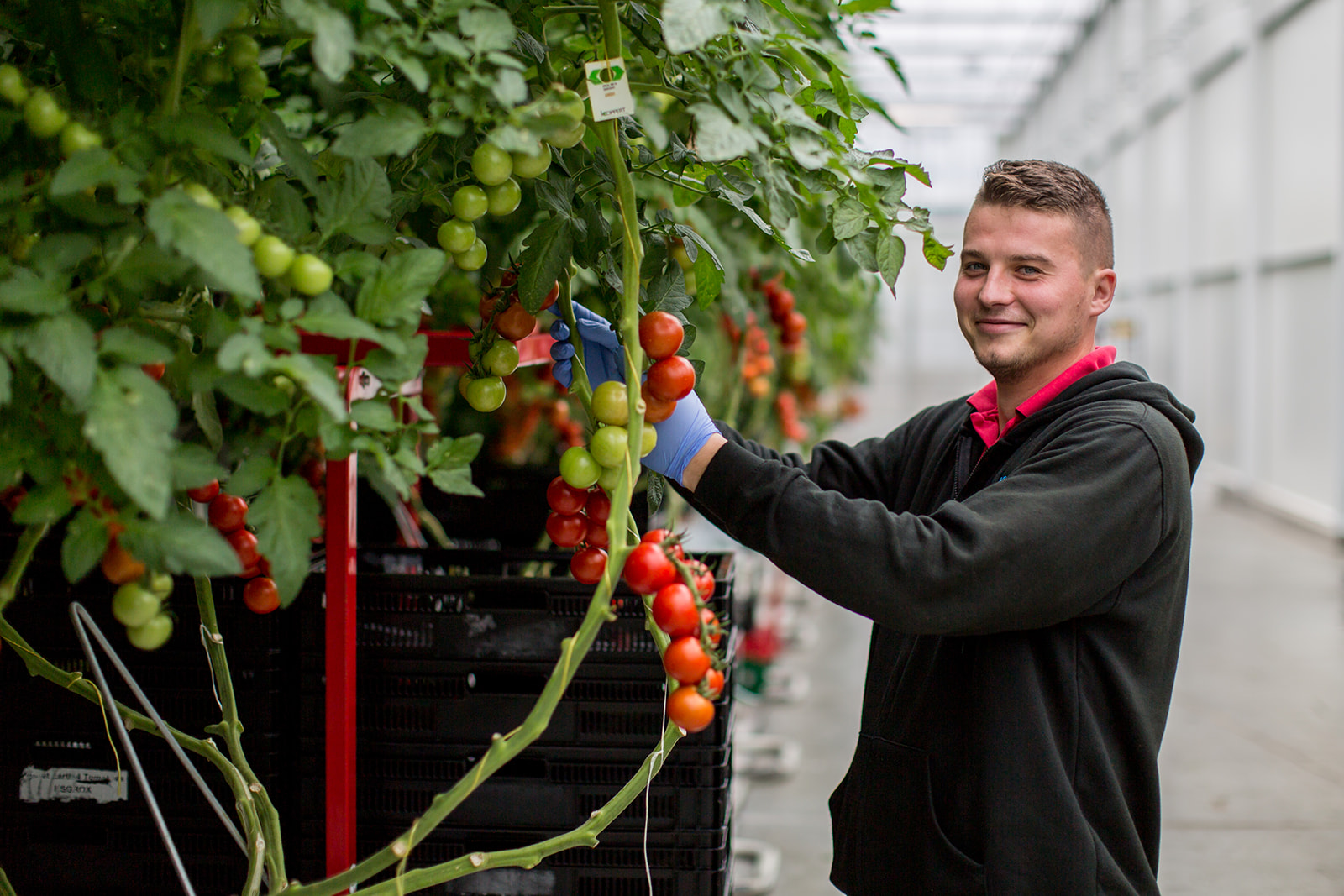
Where Does Our Food Actually Come From
Most of us rarely stop to think about it. Fresh produce simply appears on supermarket shelves, ready to grab and take home. But behind that everyday convenience sits a sophisticated, carefully managed world of modern agriculture.
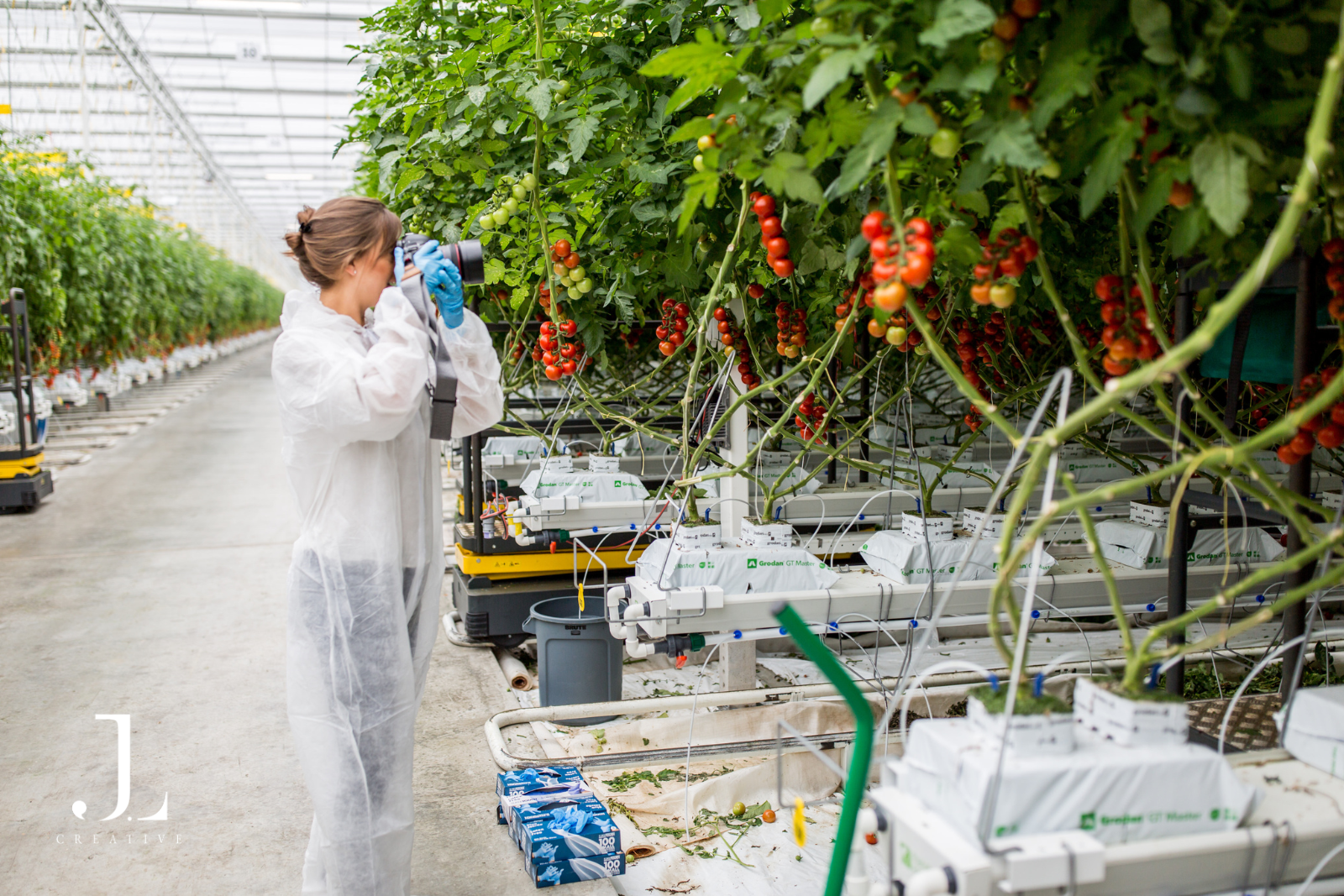
For this shoot, I stood behind the camera at Thanet Earth in Birchington, Kent, capturing the story of food production. After more than a decade of working with Fresca Group across the UK and internationally, it’s a story I know well.
Why Is Kent Known as the Garden of England
Before stepping inside the glasshouses, it’s worth understanding the setting. Kent has carried the name The Garden of England for generations, thanks to its fertile land, favourable climate and rich agricultural heritage. Fruit growing, farming and food production have shaped the county, and its produce has fed the UK for just as long.
Thanet, on the northeastern tip of Kent, brings a modern twist to that legacy. Here, traditional farming meets cutting-edge innovation. Because key transport routes and coastal access points sit close by, Thanet Earth can get fresh produce onto supermarket shelves quickly and reliably.
What Waits Inside the UK’s Largest Greenhouse Complex
Then you step inside, and everything shifts.
Thanet Earth spans over 220 acres, which makes it the largest greenhouse complex in the UK. It grows large volumes of tomatoes, peppers and cucumbers for major retailers including Marks & Spencer and Sainsbury’s.
The scale is immediate. Glasshouses stretch as far as the eye can see. Meanwhile, rows of crops thrive in carefully controlled conditions, backed by advanced systems that optimise quality, consistency and yield.
For anyone behind a camera, it’s a visually powerful place. Clean lines, repetition and height give the space real structure, while natural light filtering through the glass roofs keeps everything bright, fresh and vibrant. That’s what makes Thanet Earth greenhouse photography so rewarding.
How Does a Decade With Fresca Group Shape a Shoot at Thanet Earth
This wasn’t a one-off visit. JL Creative has worked with Fresca Group and its subsidiaries, including Thanet Earth, for over a decade. As a Fresca Group photographer, I’ve followed the business across multiple locations and projects, in the UK and abroad. Assignments have included:
- Thanet Earth in Birchington, Kent
- operations at Paddock Wood and other UK growing sites
- supply and logistics at Southampton Docks
- international industry events such as Fruit Logistica in Berlin
- growing environments in Murcia, Spain
- banana production in Colombia with Banafrut, including Fairtrade projects
Together, those assignments reflect the scale of Fresca’s operations and the trust we’ve built over many years of collaboration.
Like most projects, the real work starts long before the camera comes out. First, I work out how the client will use the images, whether that’s marketing campaigns, website updates, internal communications or stakeholder reporting. That context shapes the entire shoot.
Next, I look for the story. Working closely with marketing managers, we map out the growing journey, the people behind the process, the operational flow from greenhouse to packhouse and the key visual moments that represent the business. As a result, the photography doesn’t just look strong. It also serves a purpose and lines up with the wider goals of the company.
What Does the Journey From Seed to Shelf Look Like
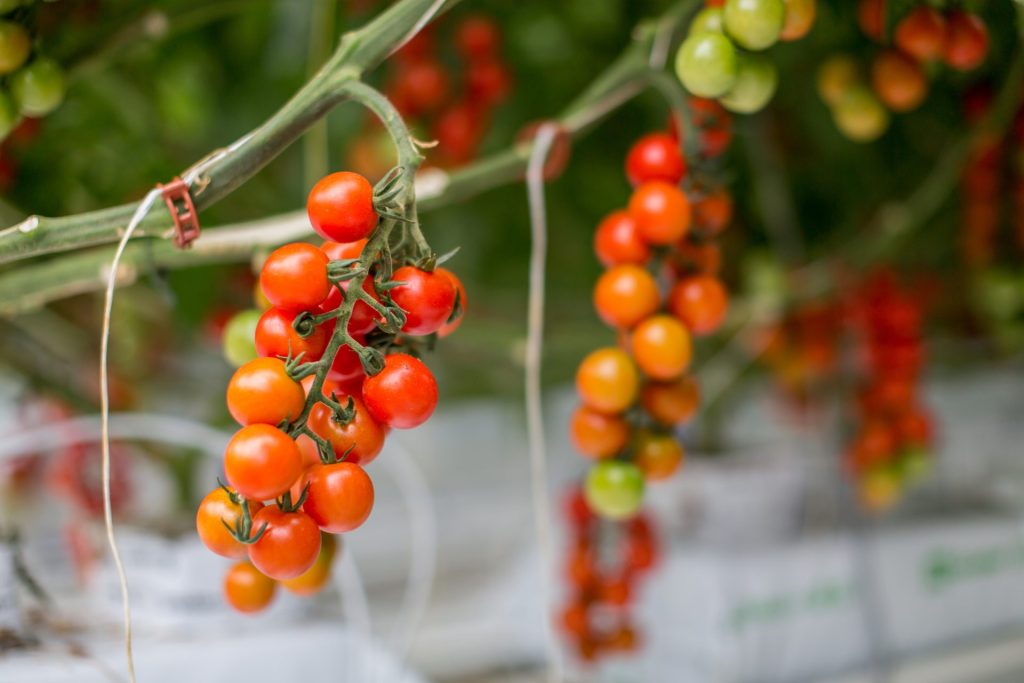
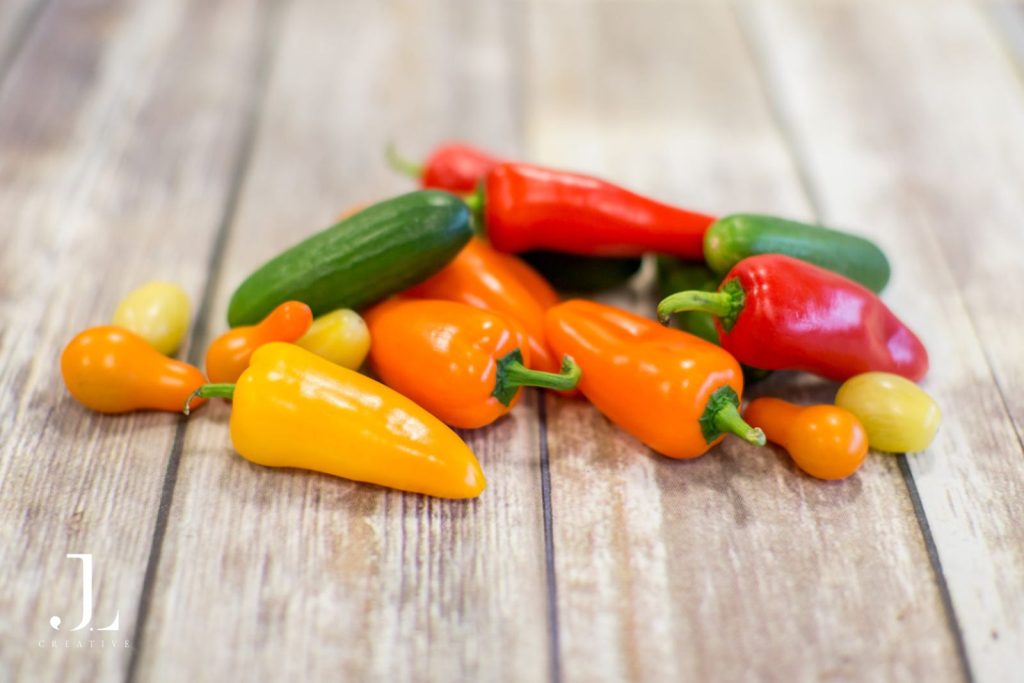
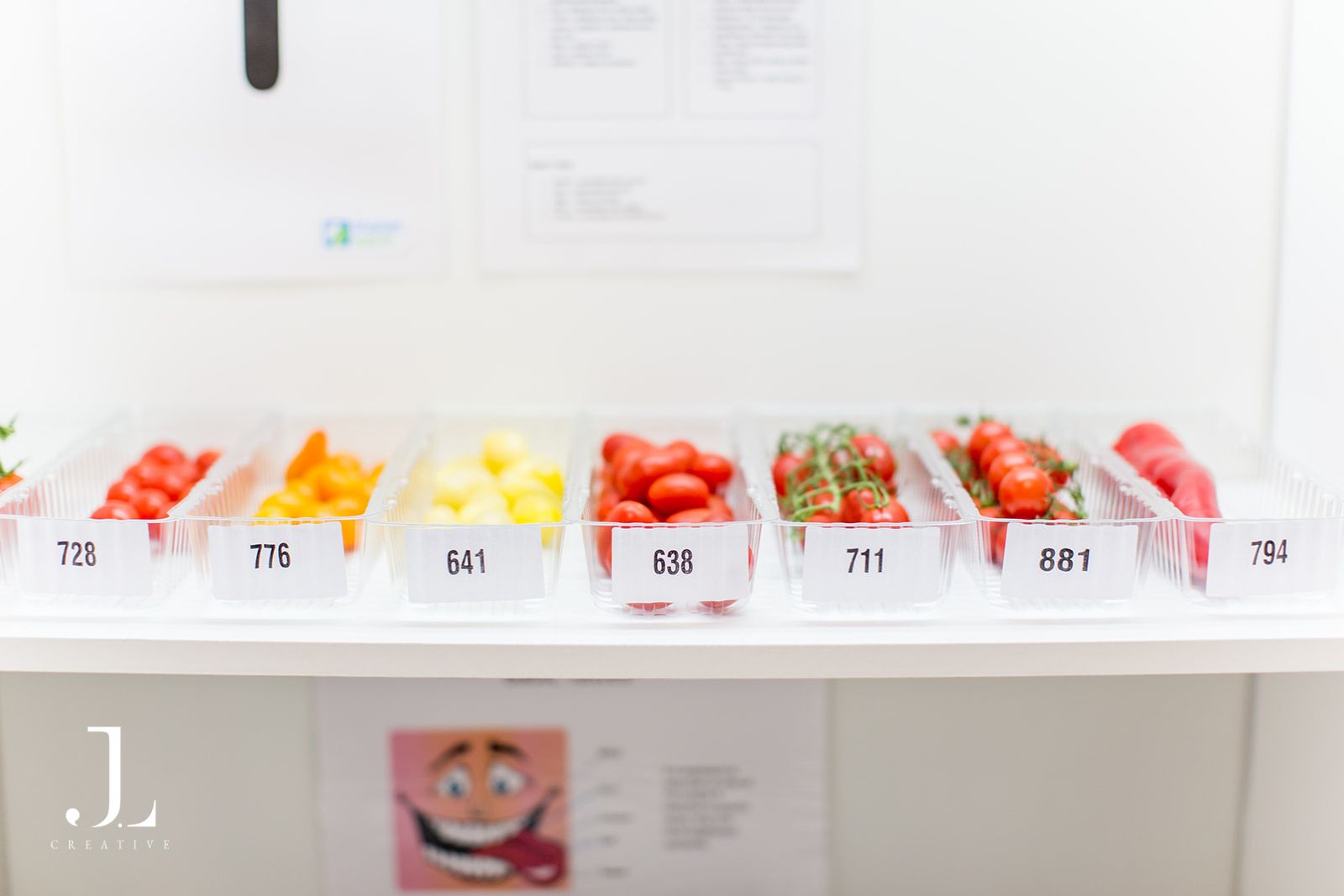
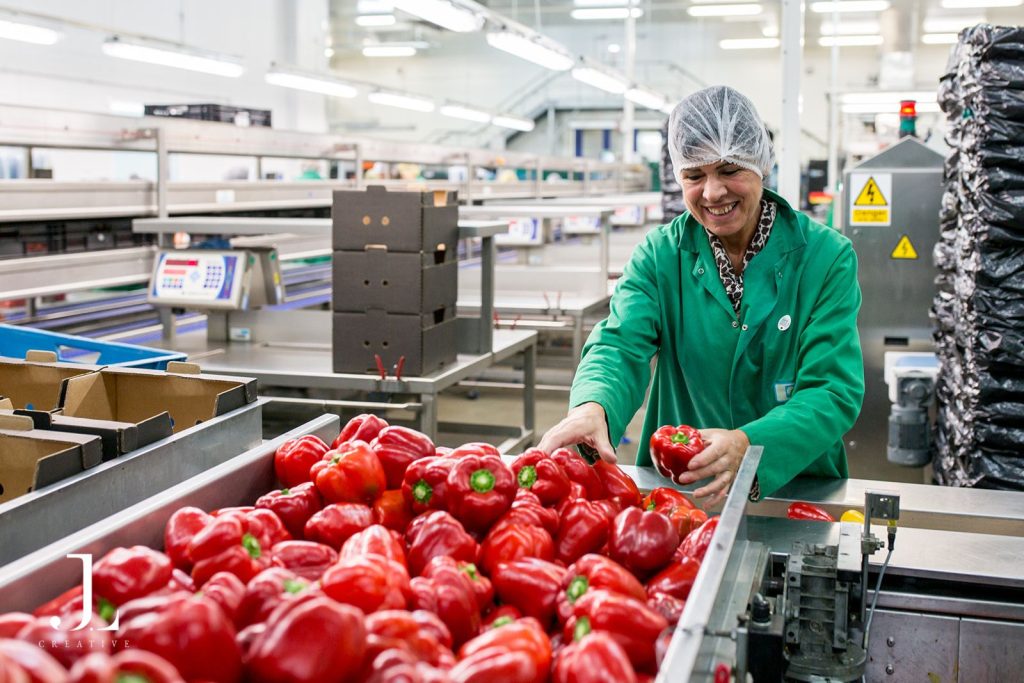
Once I’m on site, the story starts to unfold in layers. Inside the glasshouses, tomatoes grow vertically along structured systems, with vibrant red fruit set against rich green foliage. Peppers in yellow, green and orange add colour and variety.
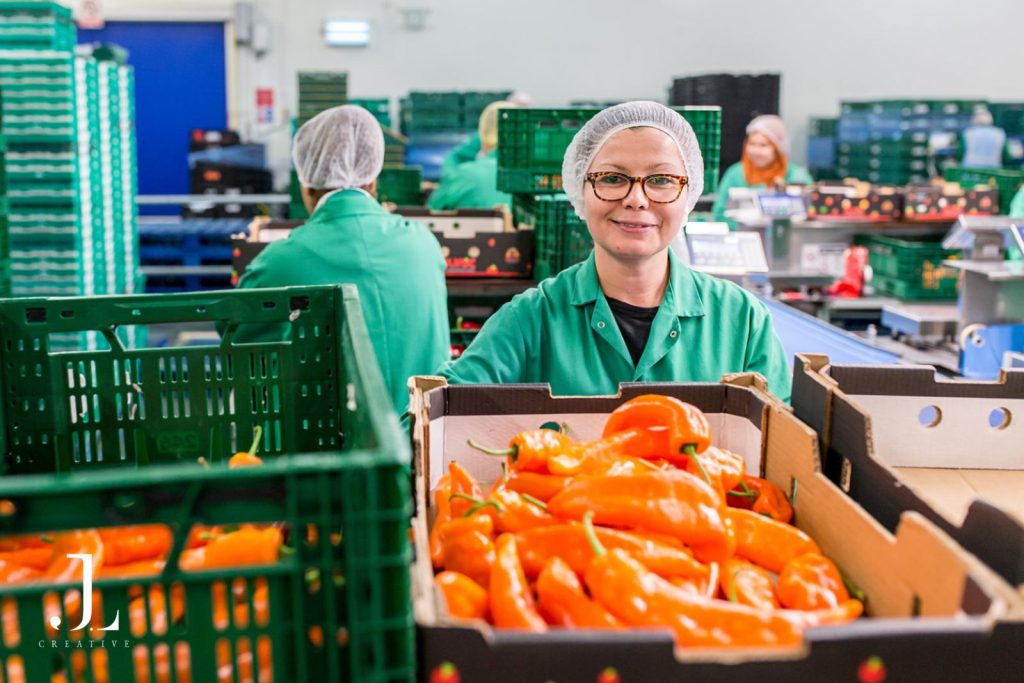
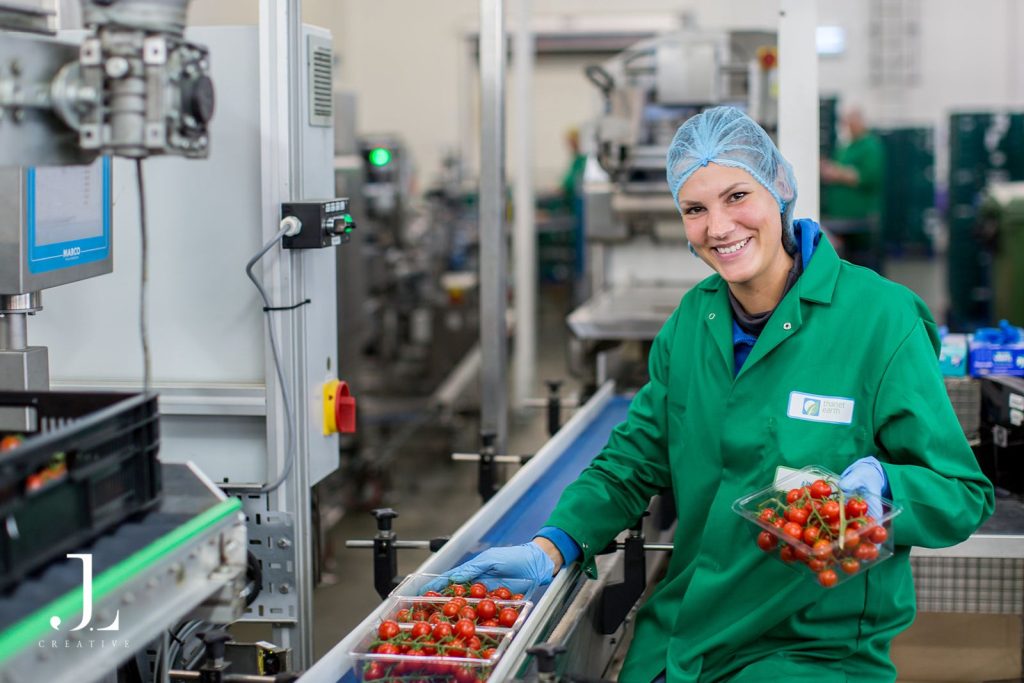
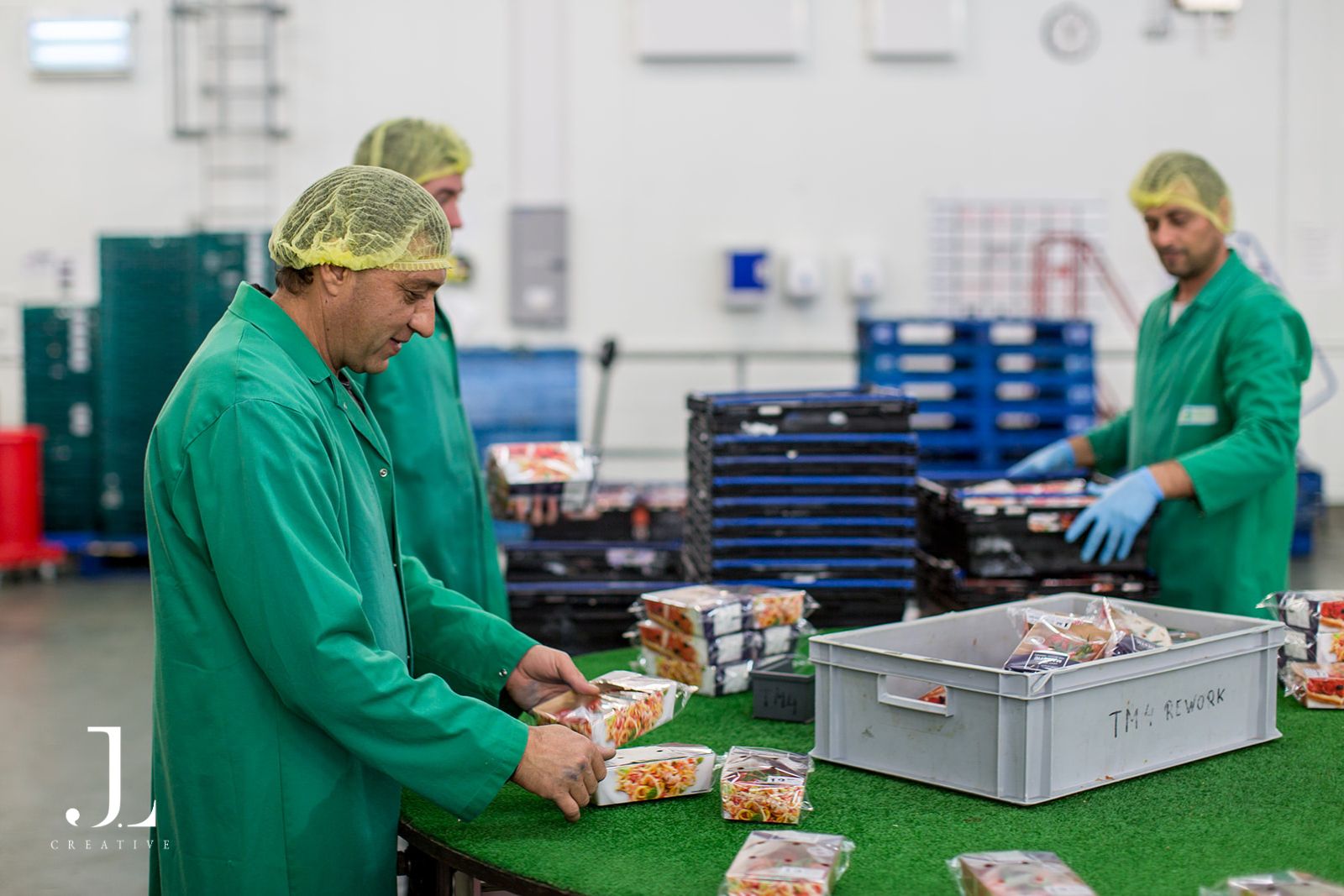
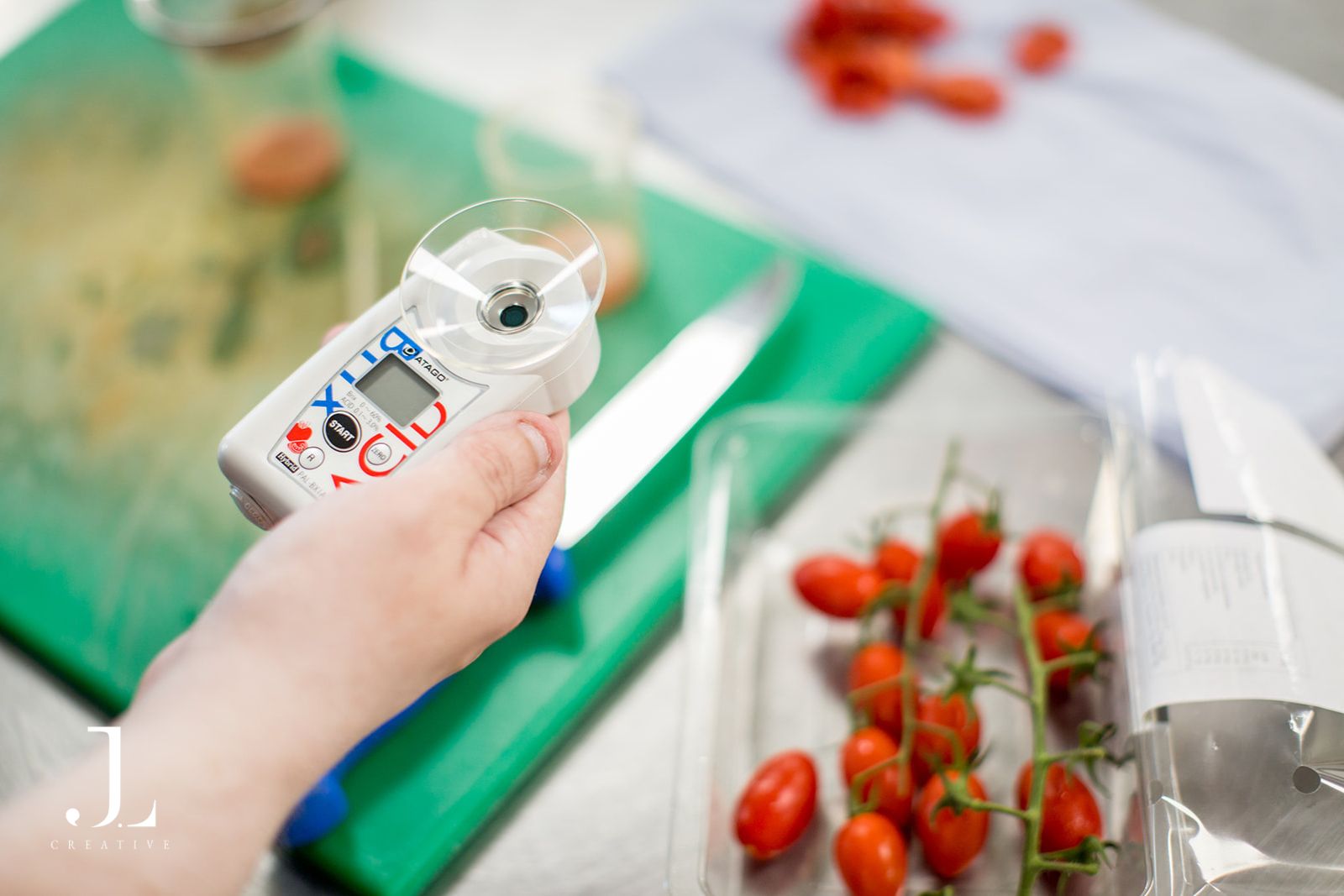
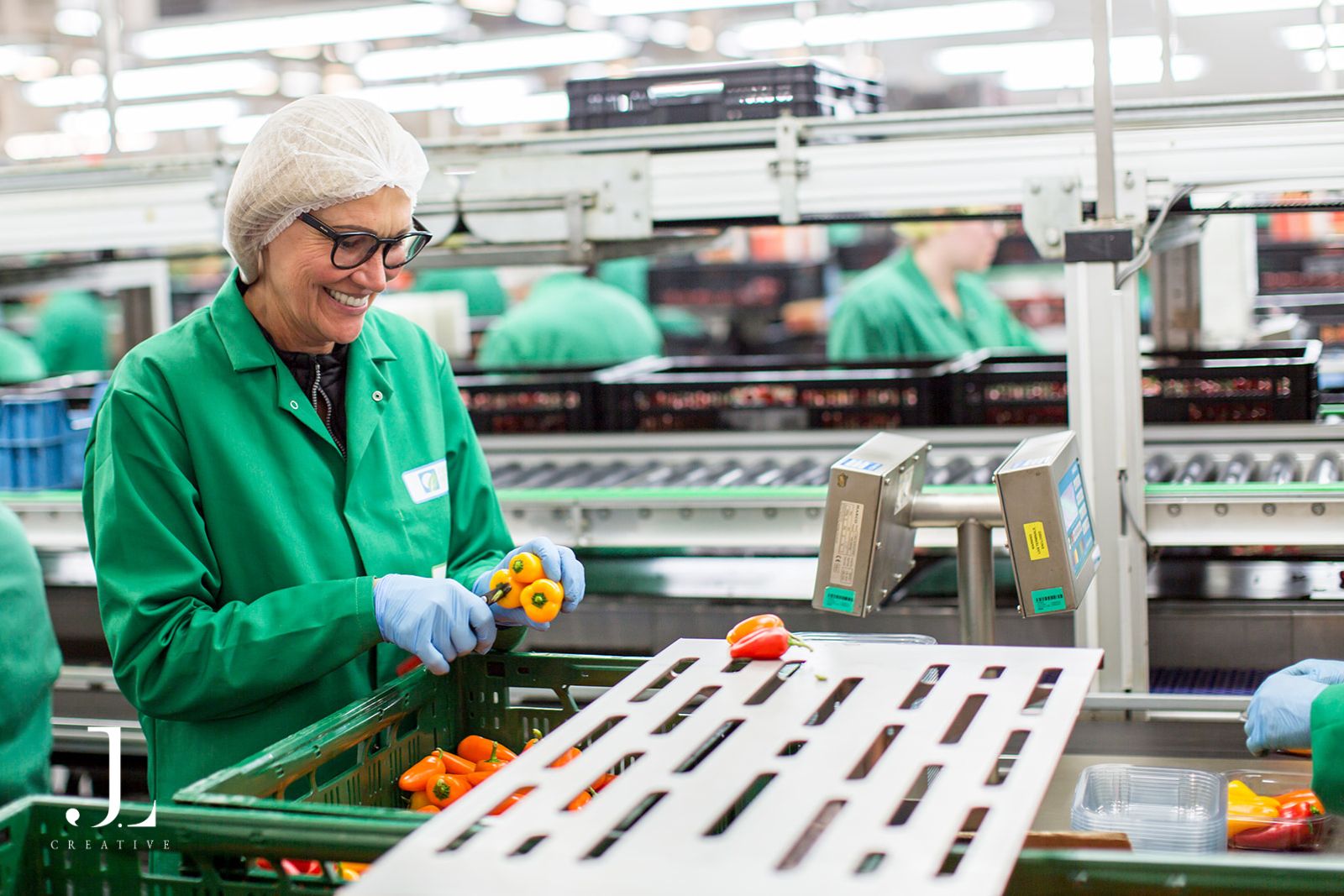
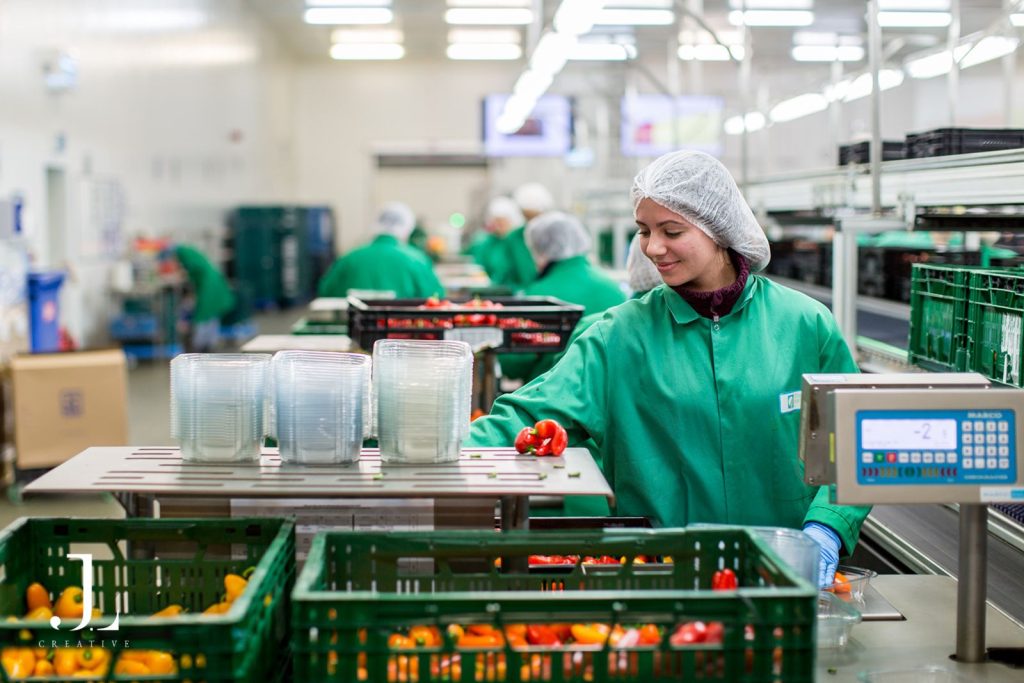
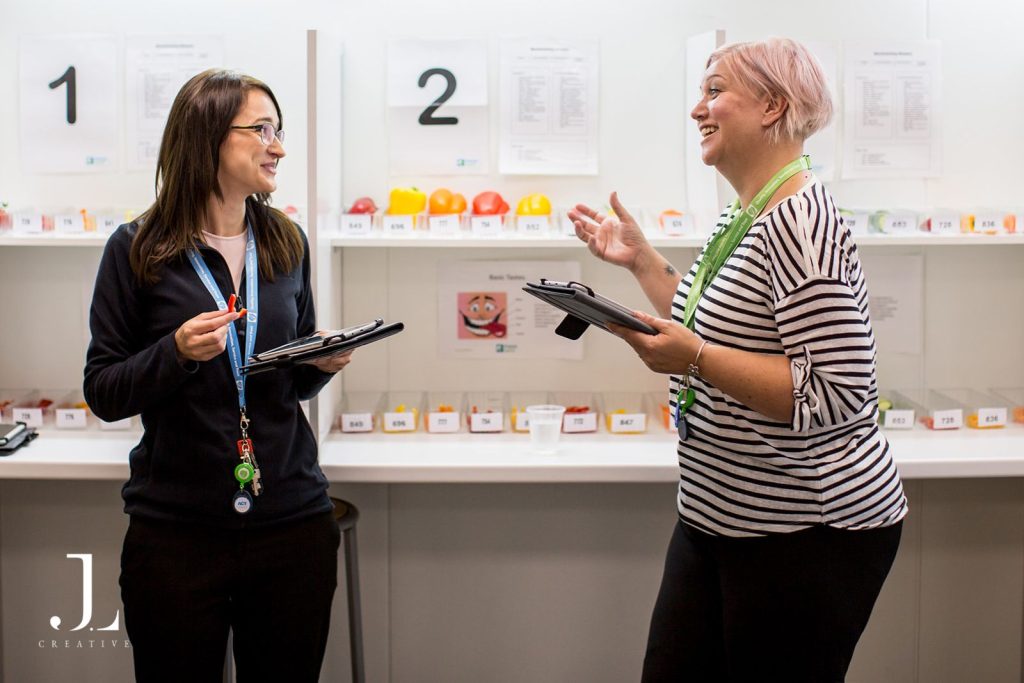
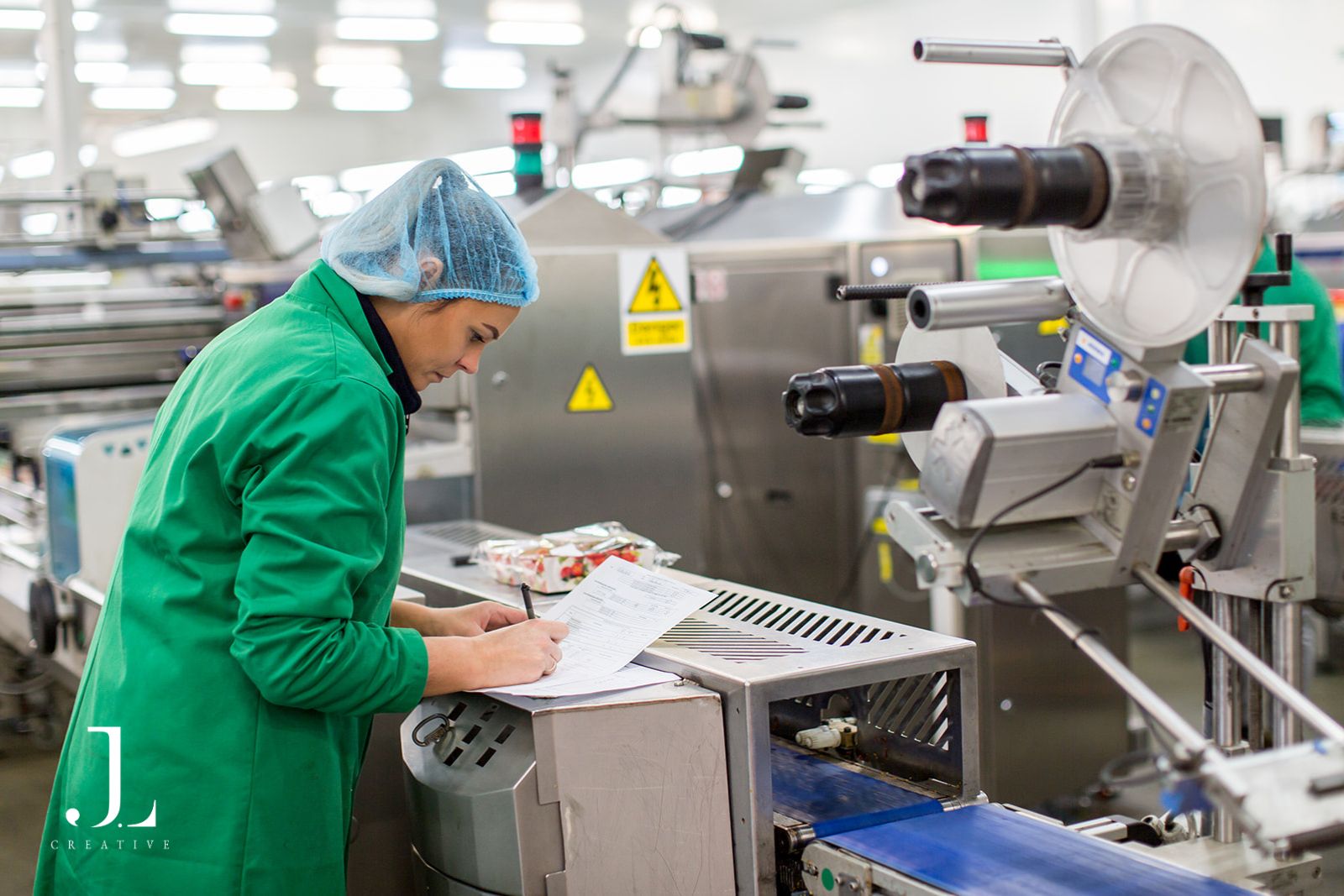
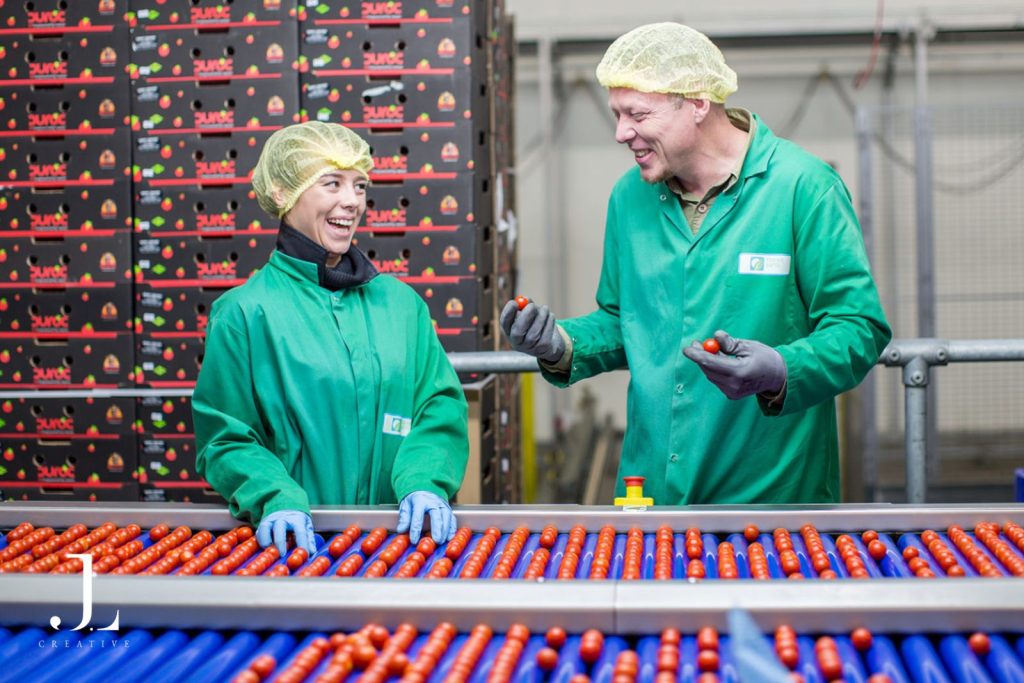
But the story doesn’t stop there. It carries into the packhouse, where another level of precision takes over. Teams and machinery work side by side to sort and prepare produce, package items for retail and organise distribution. Quality control runs through every stage, from taste testing and sweetness checks to visual inspection and technical measurement.
Of course, produce has to look good. However, it also has to meet the exacting standards that supermarket shelves demand.
How Does a Greenhouse Giant Earn Awards for Sustainability
What’s happening at Thanet Earth isn’t only about scale. It’s about responsibility. The site takes a forward-thinking approach to sustainable farming. For example, it harvests rainwater from glasshouse roofs, runs computer-controlled climate systems and uses resources efficiently to minimise waste. Together, those technologies let crops grow year-round in a controlled environment, which reduces reliance on imports and lowers food miles.
The industry has noticed. At the Festival of Fresh Awards, Thanet Earth earned the title of Retail Supplier of the Year 2025, a nod to its continued investment and growth, the strength of its partnerships and the people behind the operation. It also took home the Net Zero Impact Award at the FPJ Awards in London, which recognises its commitment to long-term environmental responsibility.
Over £12 million has gone into initiatives that reduce emissions and improve efficiency, from renewable energy generation to advanced LED lighting inside the glasshouses. In fact, sustainability here isn’t just a concept. The business actively builds it into the way it operates every day.
For me, as a photographer, that adds another layer. I’m not only documenting how food grows at scale, but also capturing a business that keeps evolving, innovating and setting benchmarks within the industry.
Who Brings It All to Life
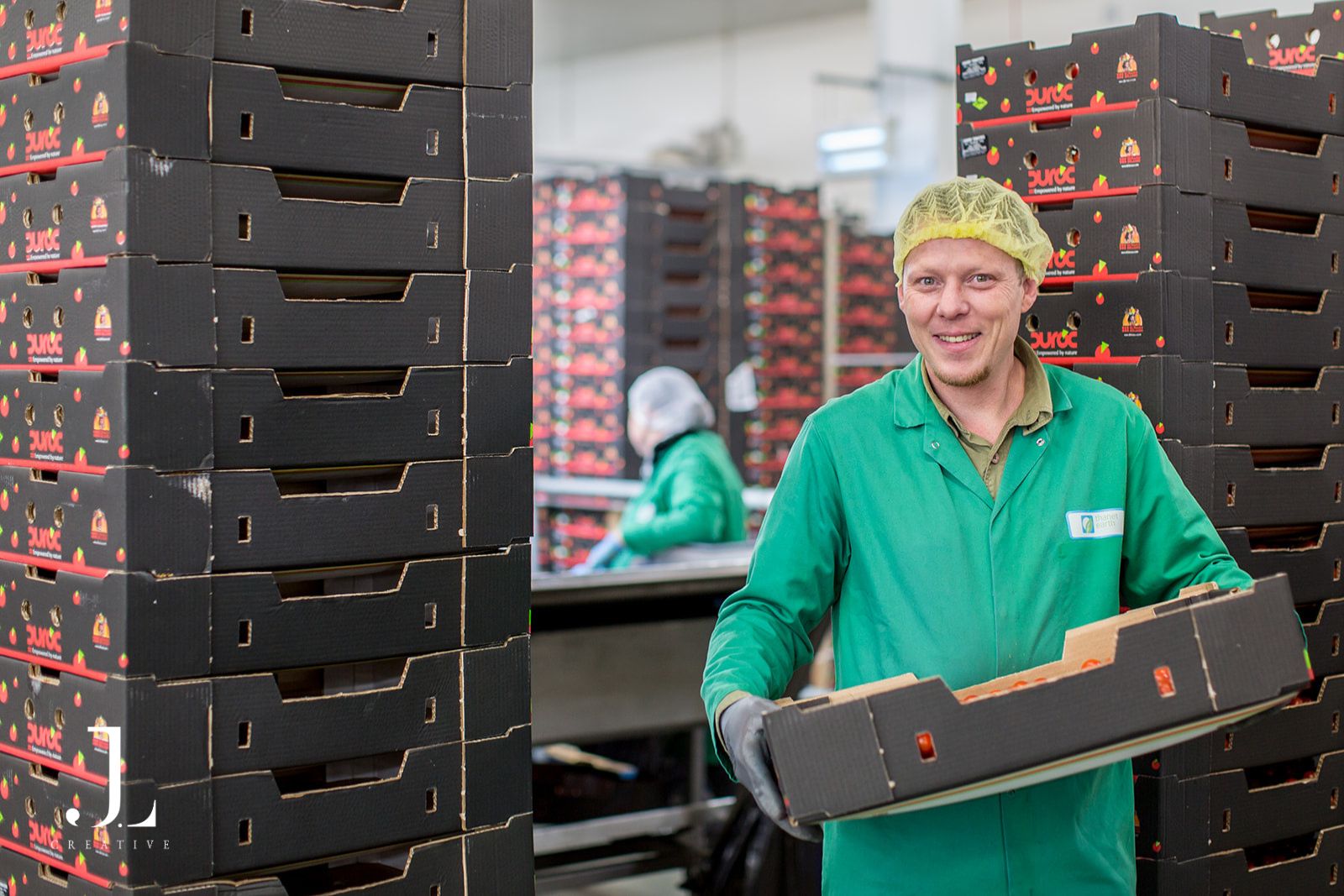
Beyond the technology and systems, it’s the people who make Thanet Earth what it is. The growers, the pickers, the packhouse teams and the quality control specialists make sure the food reaching supermarket shelves meets the highest possible standards. There’s real pride in what they do. From carefully tending crops in the glasshouses to working with precision in the packhouse, their work demands focus, care and consistency. Those are the moments that matter most to capture.
That’s why I always take time to connect with people on site. I want to understand their role, their routine and their contribution to the bigger picture. After all, behind every perfectly packed punnet of tomatoes sits a chain of human effort, skill and attention to detail.
How Do You Photograph Glass, Light and a Tomato
It’s an incredibly rich environment to work in, and it’s about more than what’s growing. How everything looks and feels matters just as much. So I’m always thinking about composition, colour, light, texture and detail.
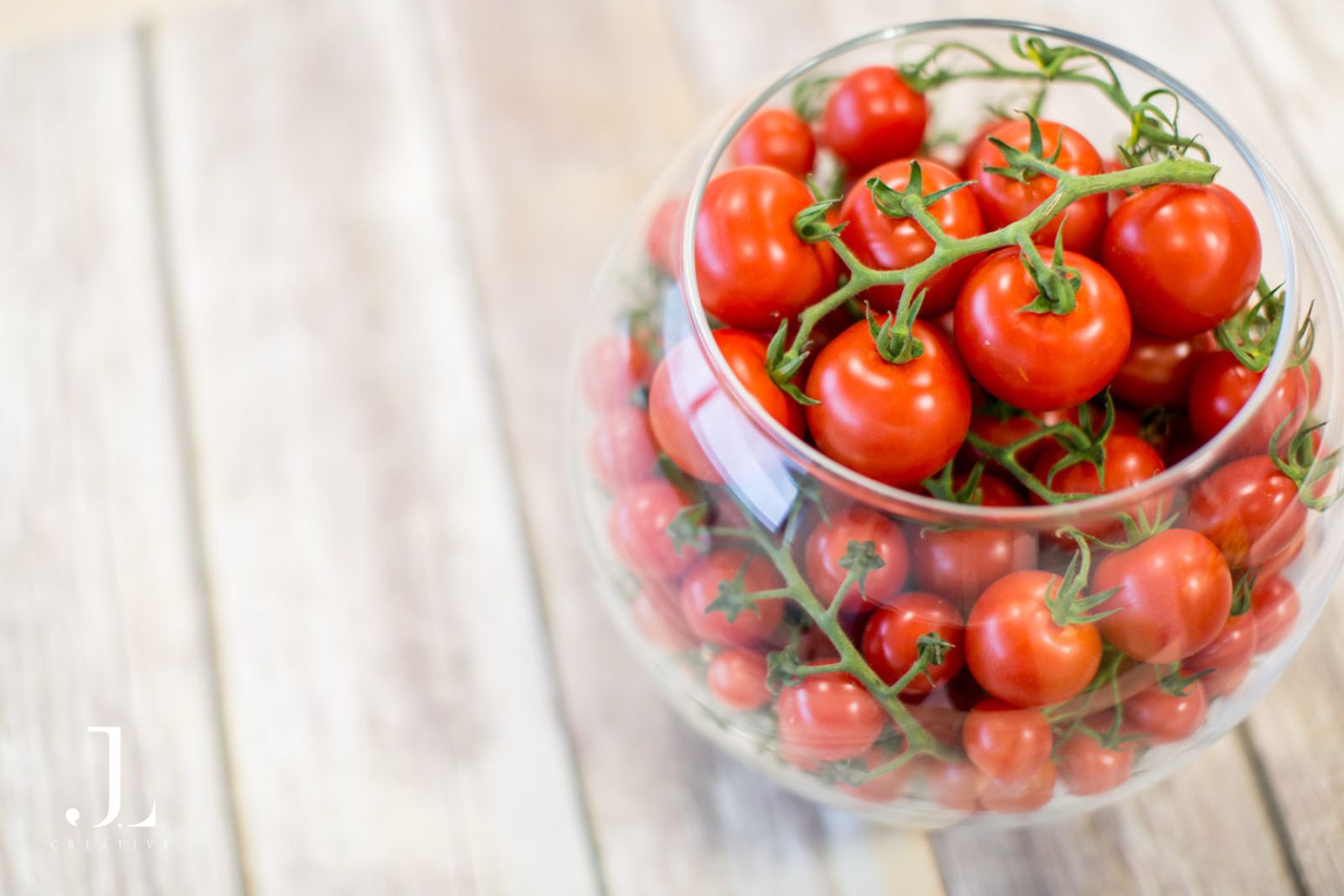
I shoot with professional Canon camera systems and fast prime lenses, often with a shallow depth of field. That draws attention to specific details and lets textures and colours stand out with clarity. Whether it’s the rich red of a tomato, the gloss of a pepper or the repeating lines of the glasshouse structure, the aim stays the same. I want imagery that feels vibrant, tactile and visually engaging.
My approach to corporate photography in Kent stays consistent, too. I work in a documentary style, capturing real processes, natural interactions and genuine moments as they happen. Above all, the imagery should feel authentic and true to the environment. Nothing staged. Nothing forced. Just an honest reflection of the work in front of me.
What Happens When a Royal Visitor Walks Through the Glasshouses
Some moments naturally stand out. One of them was photographing a visit from HRH The Duke of Kent, which highlighted both the innovation behind the site and its role within the wider UK food system. Occasions like this call for a calm, observant approach. So the skill lies in capturing key moments naturally, without interrupting the flow of the visit.
How Does a Greenhouse Connect to the Plate
For me, this kind of work links to a much bigger story. Before ingredients reach the kitchen, before chefs transform them and before the plate arrives at the table, there’s the glasshouse. This is where it all begins.
Alongside my agricultural work, I’ve also photographed food in a wide range of settings, from Michelin-starred kitchens to international food events and creative culinary environments. What makes Thanet Earth so special is how directly it connects to that wider world. As a result, it brings the story full circle, from the moment a crop takes root to the moment someone experiences it.
Where Do the Images End Up Once the Shoot Wraps
One of the most rewarding parts of a project like this comes afterwards. That’s when I see how clients actually use the images, across websites, marketing materials and internal communications. Often they display them at scale too, as large-format prints in physical spaces. Seeing the work come to life that way is always a highlight, because it shows how photography becomes a long-term asset that supports communication across both digital and physical platforms.
Stories like this matter, too. In a world where so much happens behind the scenes, showing where our food comes from, how growers produce it and who’s behind it makes a difference.
Where Can You Find Industrial Food Production Photography in Kent and Beyond
This is a big part of what I do at JL Creative. Based in London, I work across Kent, the UK and internationally, from agricultural photography in Kent to industrial food production photography across the UK. My work includes:
- large-scale operations
- agricultural and industrial environments
- sustainability initiatives
- corporate storytelling
I approach each project with clarity, professionalism and a strong sense of purpose.
Let’s Work Together
If your business operates in agriculture, sustainability or large-scale production, and you want photography that genuinely tells your story, get in touch, I’d love to hear what you’re planning.
FAQs about JL Creative Corporate Photography
Where is Thanet Earth?
Thanet Earth is in Birchington, on the northeastern tip of Kent. Its position near key transport routes and coastal access points helps fresh produce reach UK supermarket shelves quickly.
What does an agricultural photographer actually photograph?
An agricultural photographer covers the whole production story. That means crops, growing environments, packhouse operations, logistics, quality control and the people involved. The images then support marketing, websites, internal communications and stakeholder reporting.
What is industrial food production photography used for?
Businesses use it to show how their food is grown, packed and distributed. Typical uses include marketing campaigns, website content, annual reporting and large-format prints in offices and reception areas.
Do you photograph agricultural and corporate projects outside Kent?
Yes. JL Creative is based in London and works across Kent, the UK and internationally. Past assignments have taken me to Berlin, Murcia in Spain and Colombia.
Can you photograph events and visits as well as day-to-day operations?
Yes. I’ve photographed international industry events and a visit from HRH The Duke of Kent at Thanet Earth. I take a calm, observant approach so key moments are captured without interrupting proceedings.
How do I book a corporate or industrial photographer in Kent?
Get in touch with a few details about your business, how you’ll use the images and the sites involved. From there, I’ll work with you to plan the story and the key visual moments before shoot day.


0 Comments